Close more veneer cases with instant smile simulation
Show your patient exactly how their smile will look — before any irreversible procedure.
Generate realistic veneer previews in seconds. No Photoshop. No delays. No guessing.

Subscribe to newsletter
How it works
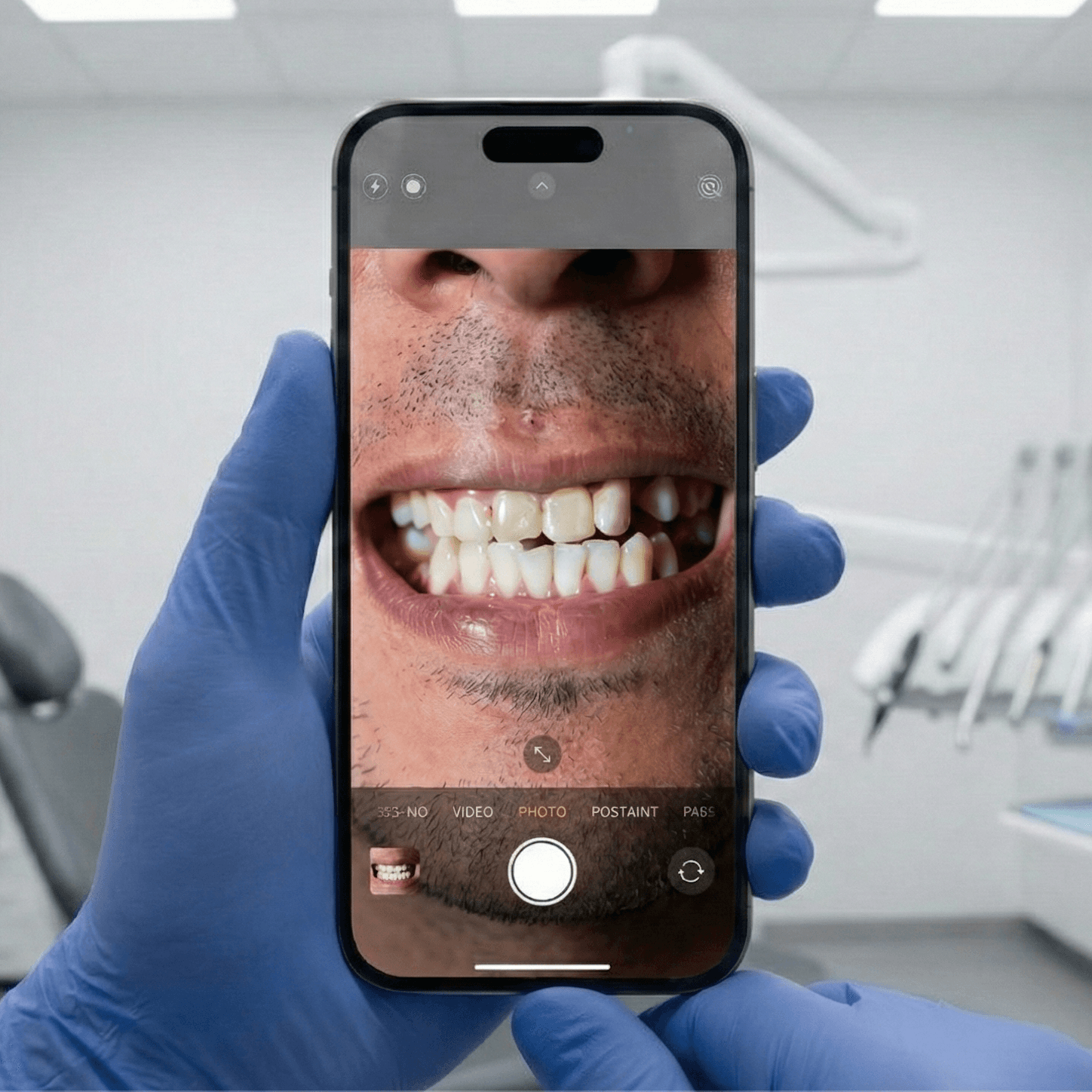
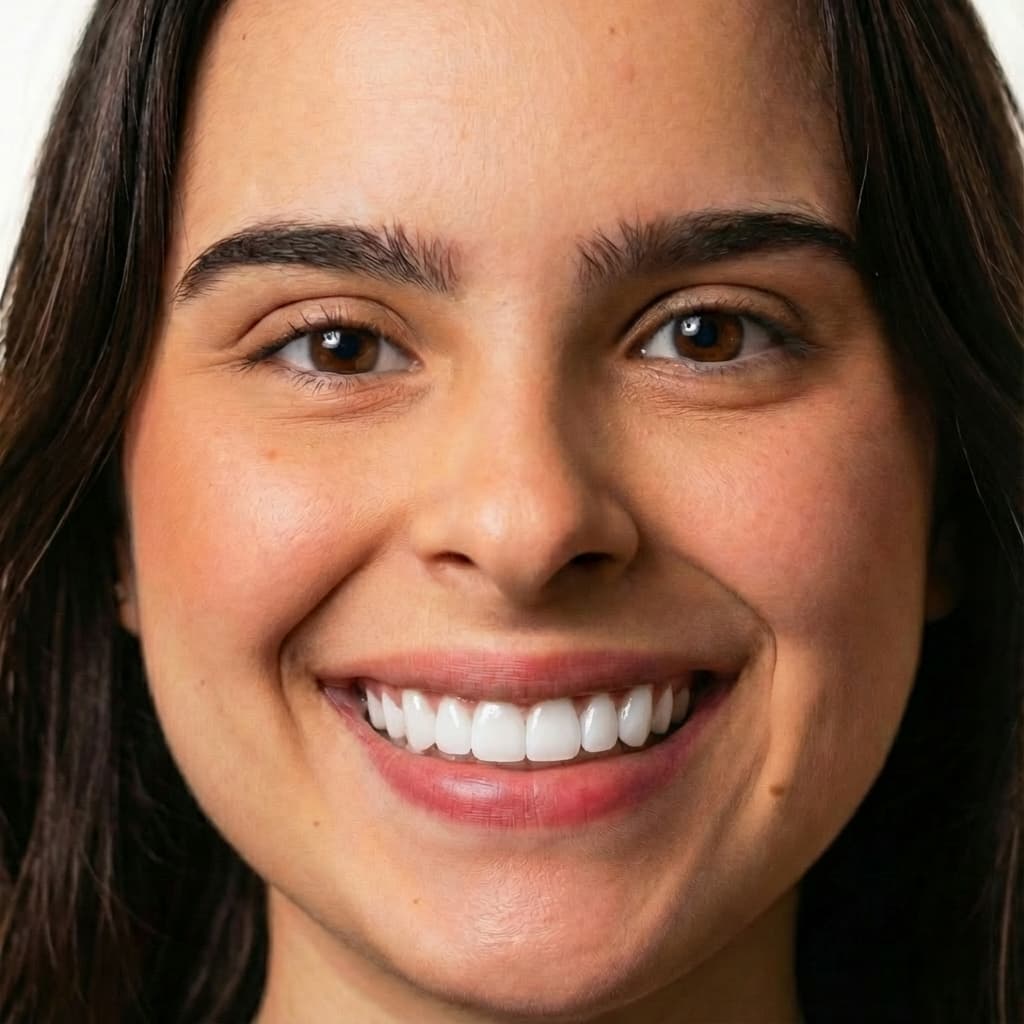
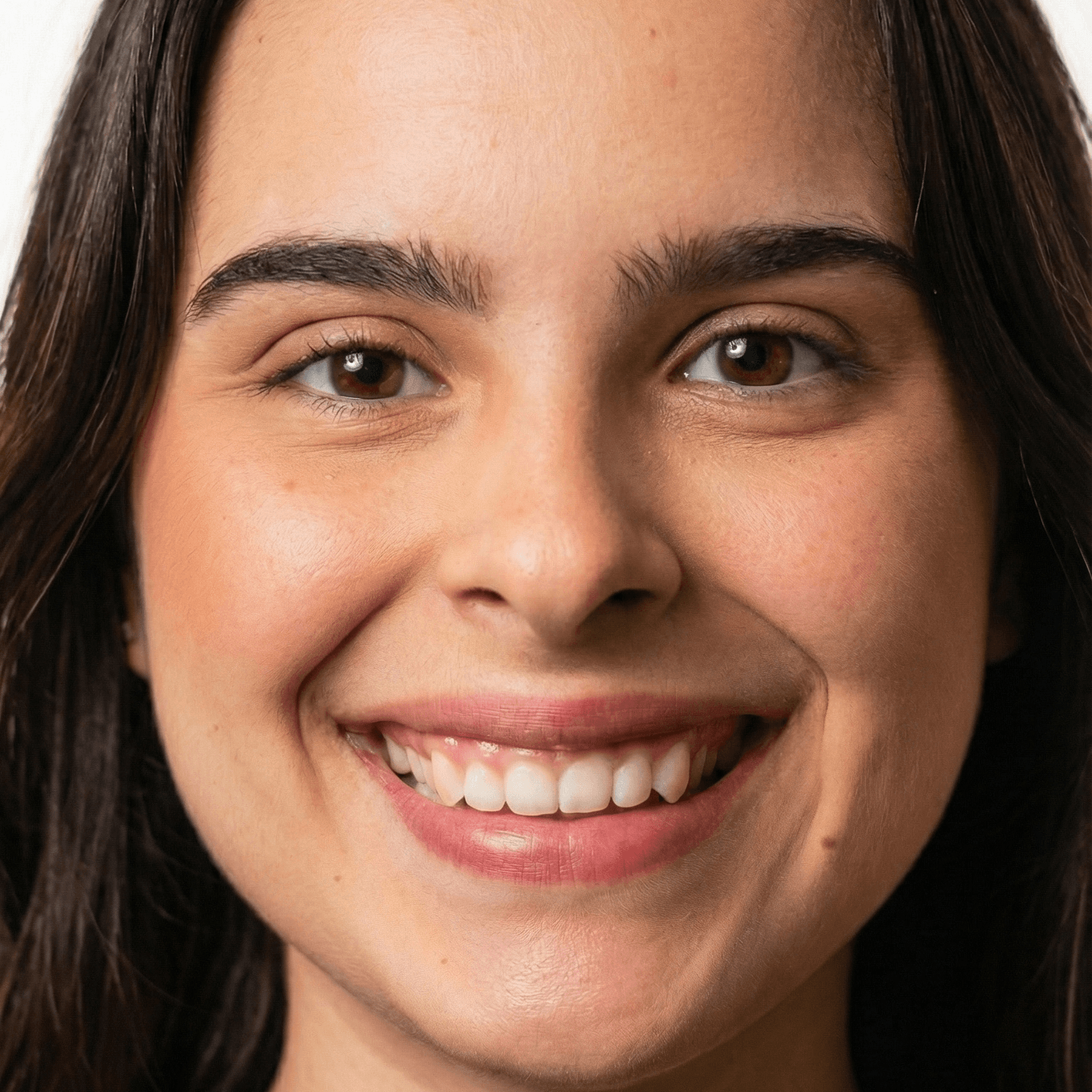
Take a photo of your patient
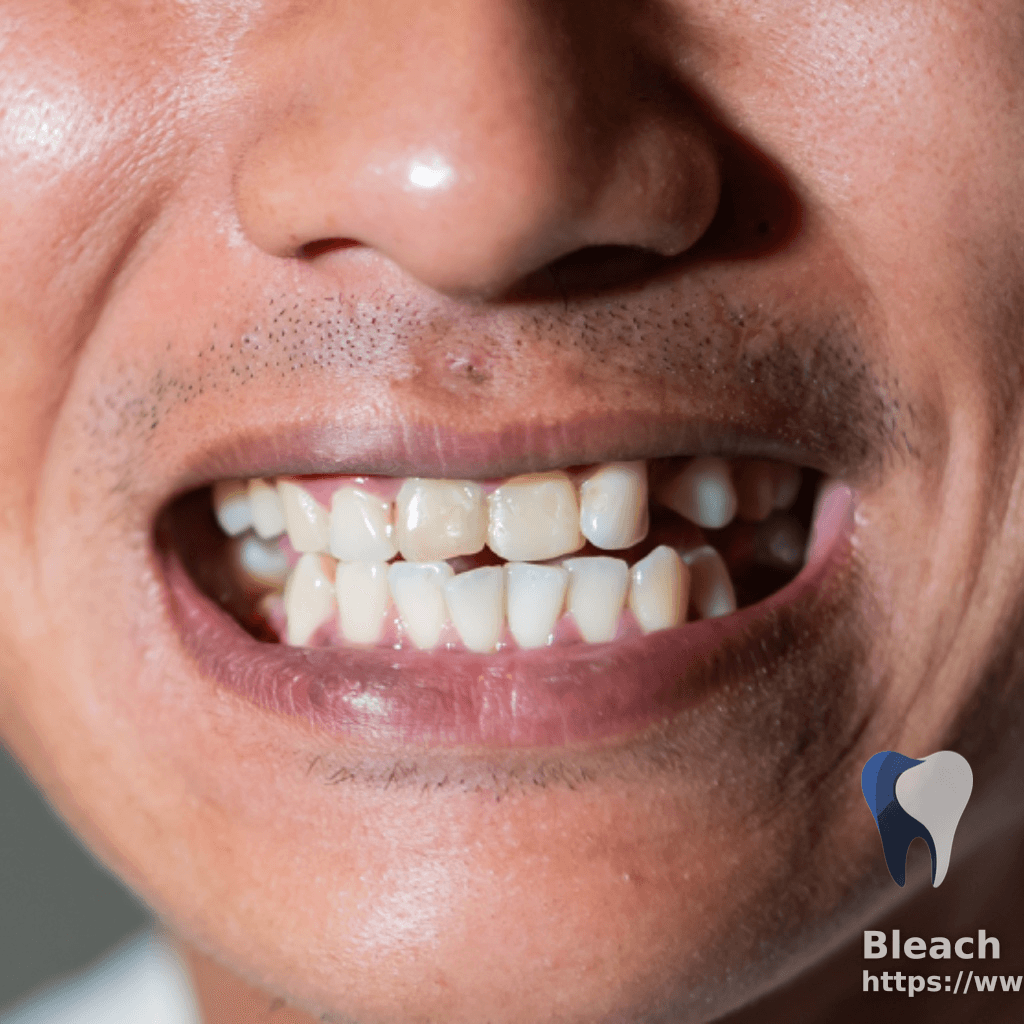
Upload it
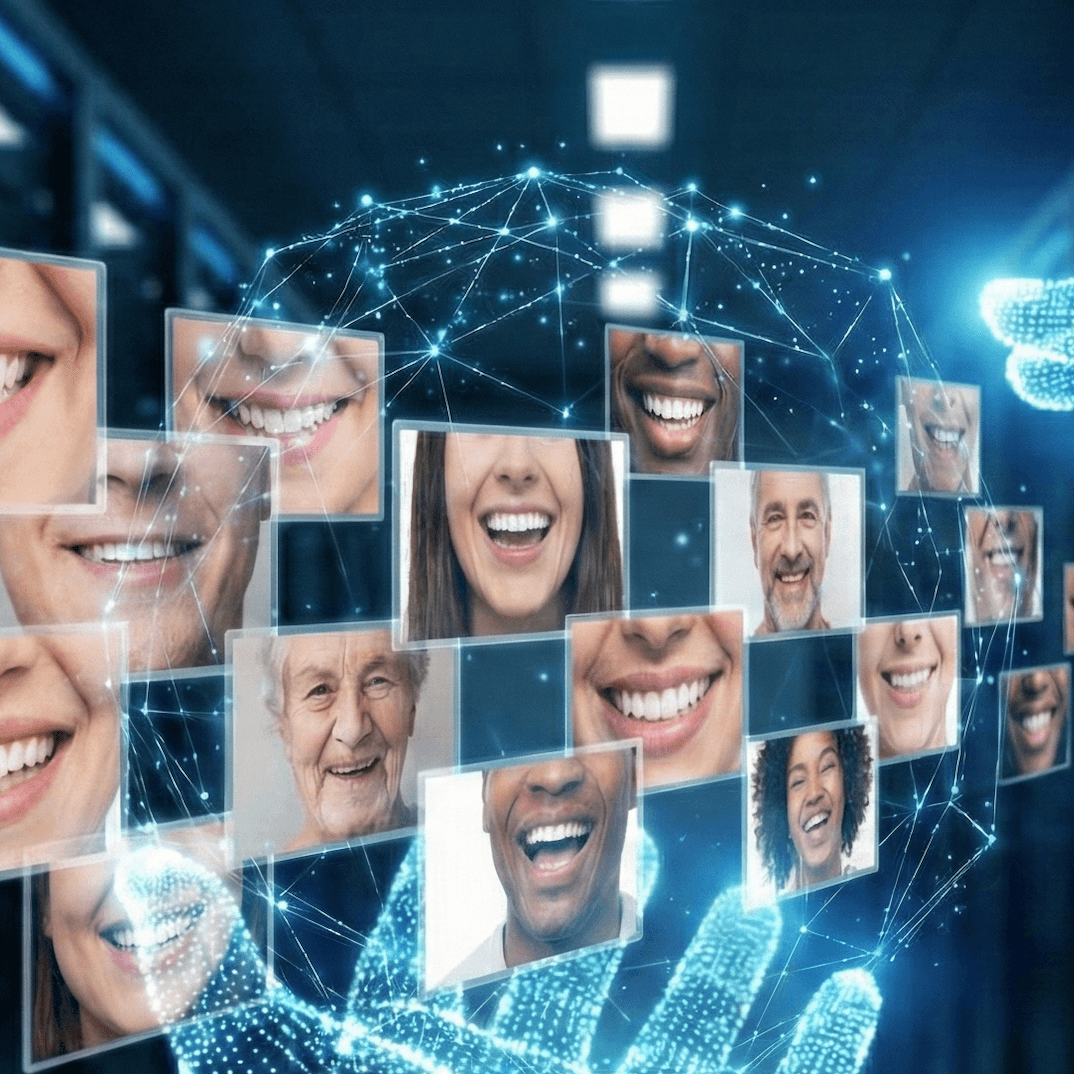
Proprietary AI
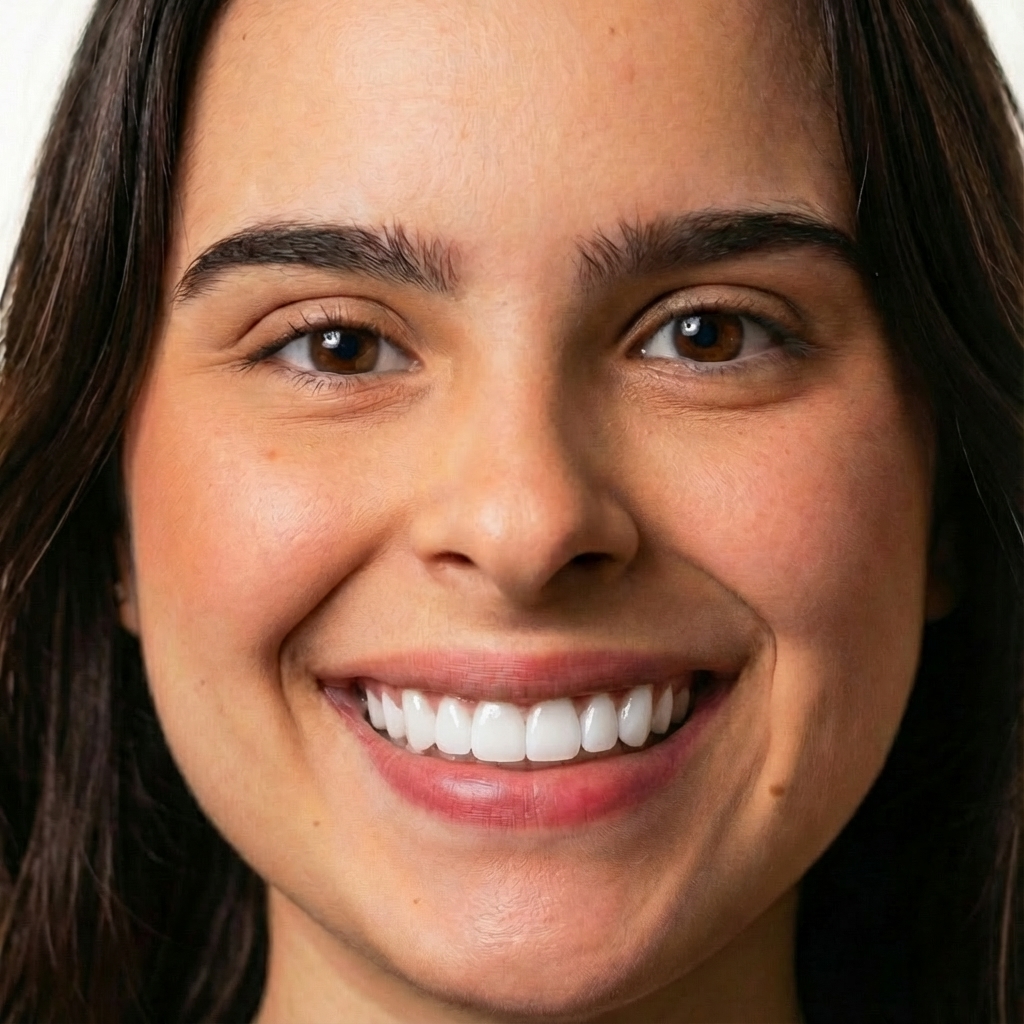
We use our proprietary Generative AI to create hyper-realistic simulations.
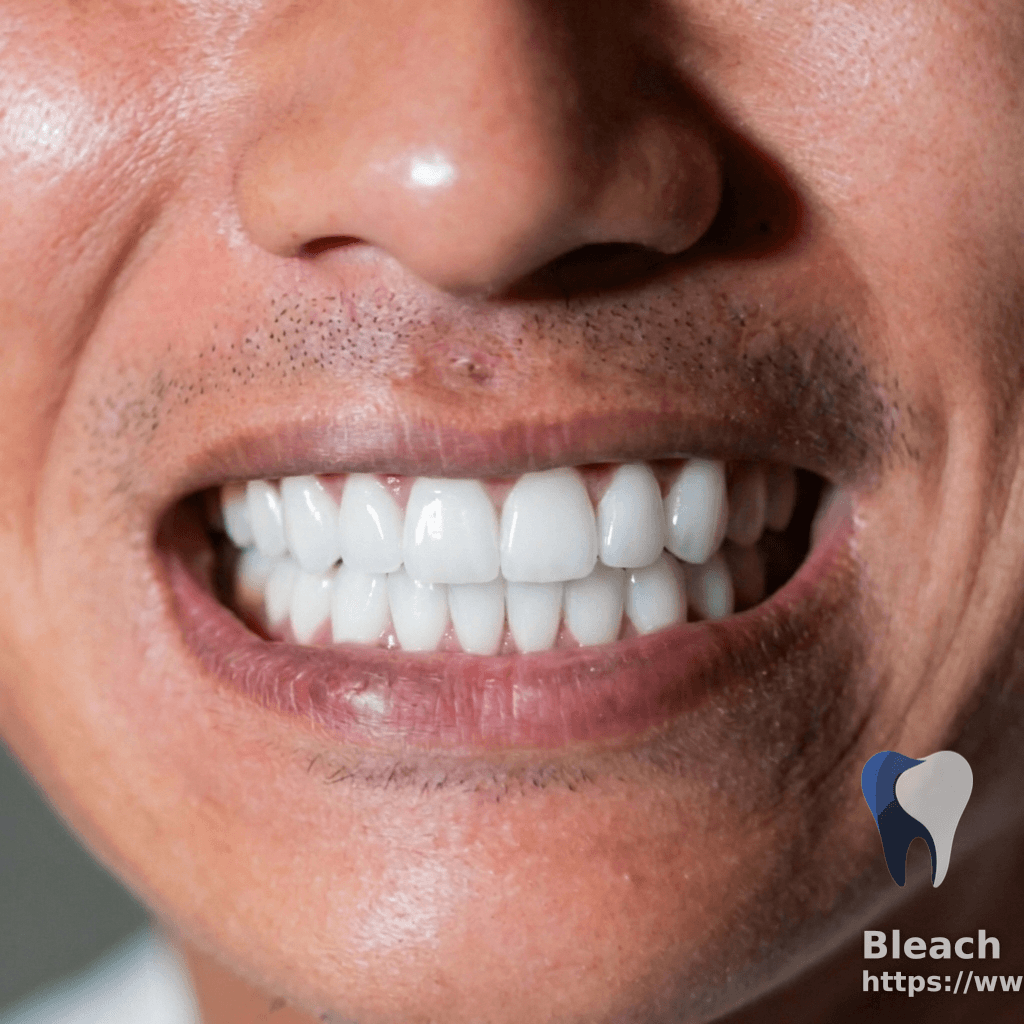
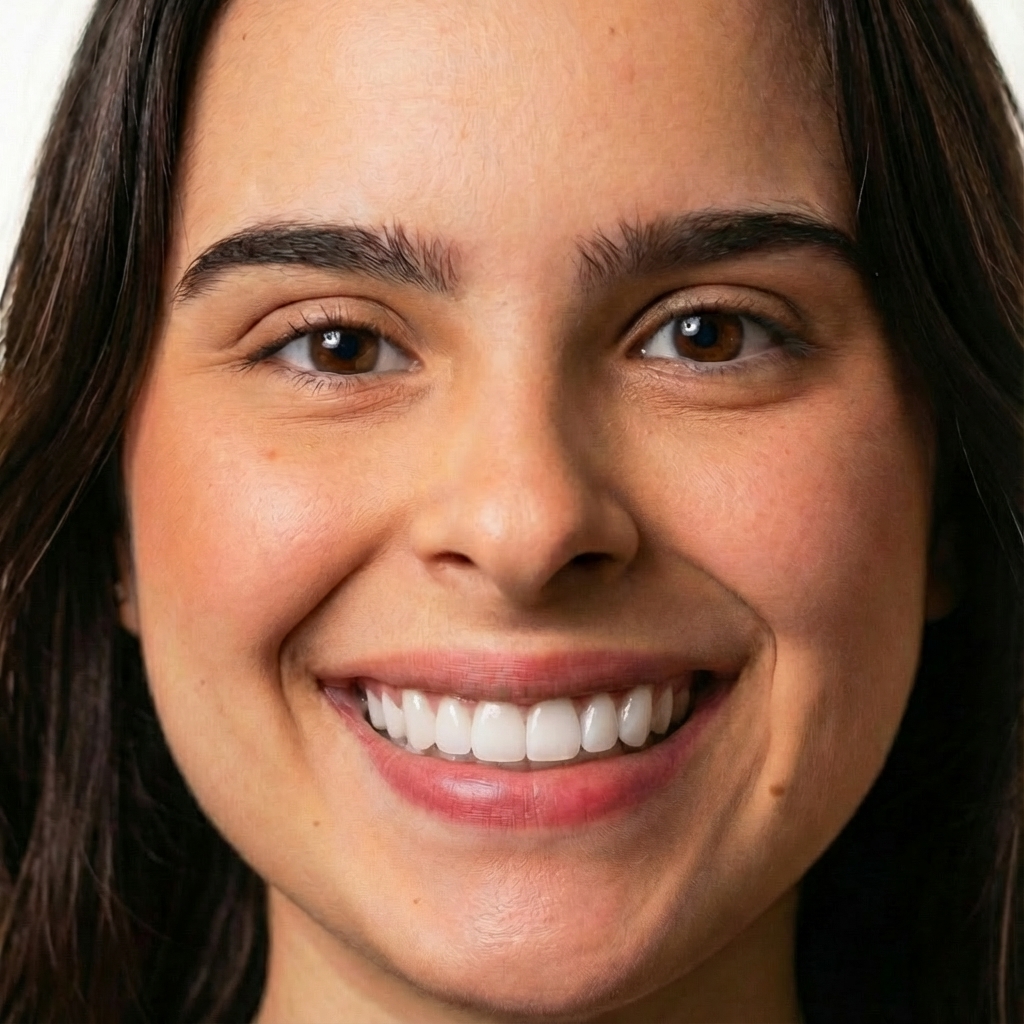
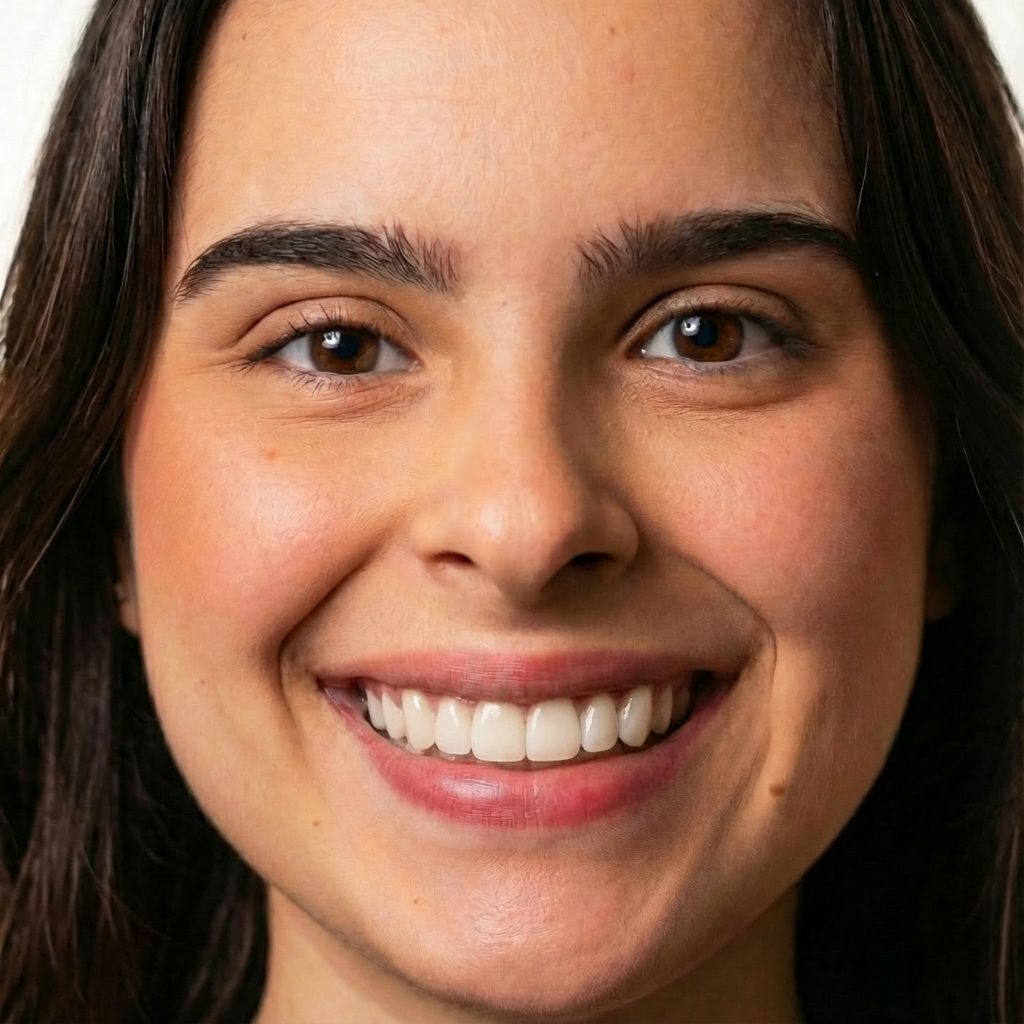
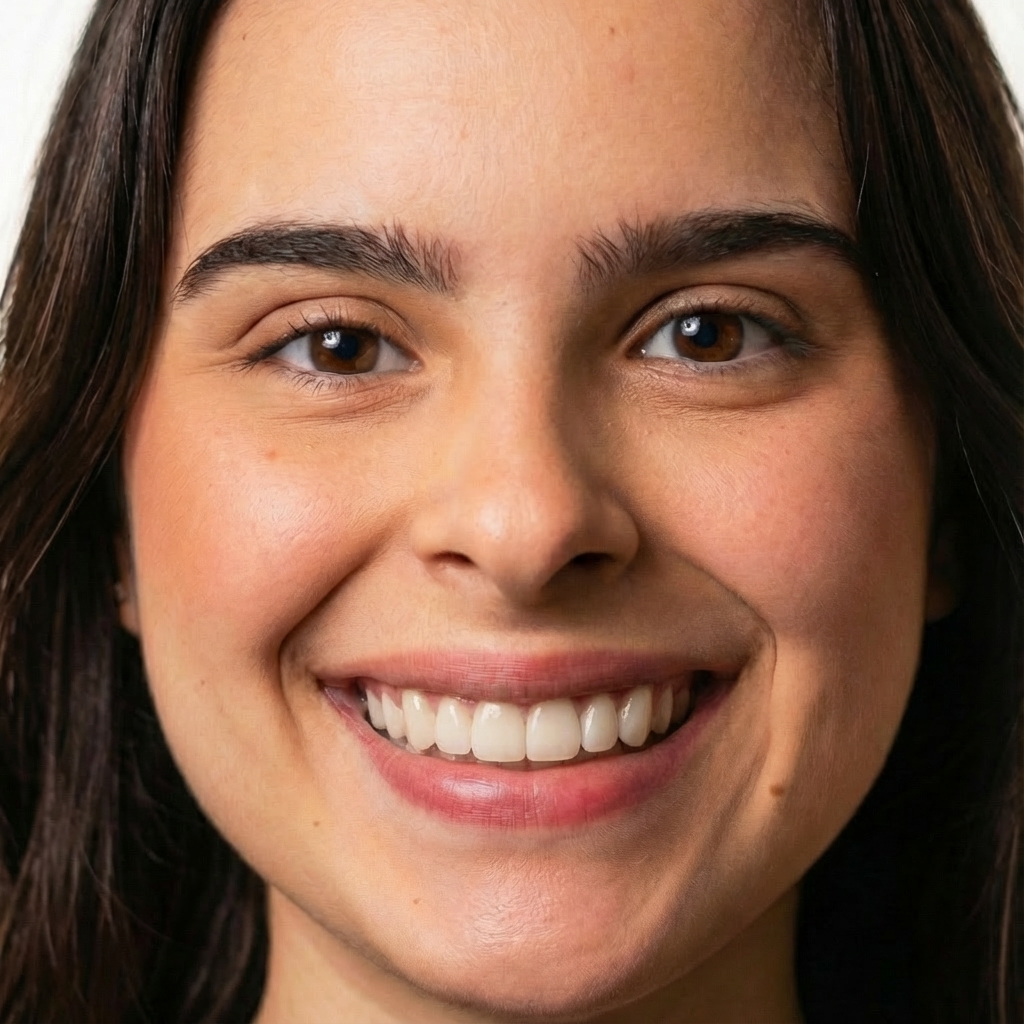
Realistic Result
Key benefits
Faster decisions
Higher acceptance rate
More confidence for the patient
More authority for the dentist
Most veneer cases are lost before price is even the problem
Patients can't visualize the final result
Fear of looking "fake" or "too white"
"I need to think about it" kills the sale
Verbal explanations don't convert
If the patient can't see it, they won't buy it.
Designed for dentists who sell esthetic treatments — not generic imaging software.
Zero Regret
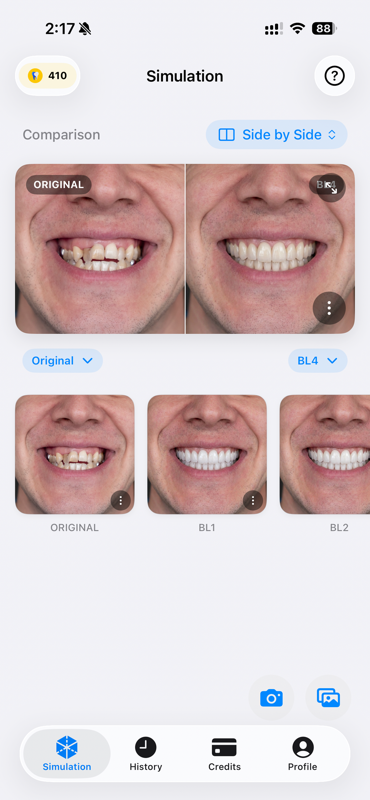
Patients often pick shades that are too white and regret it. Let them test BL1 vs BL3 virtually to ensure total satisfaction.
High Realism
We use the world's best generative AI models, constantly updated with new aesthetic data for maximum fidelity.
Increase Sales
Patients buy what they can see. Close 3x more cases.
From our blog
What You See Is What You Get: The Art of True Smile Simulations
For ambitious dentists, the veneer market is one of the most lucrative opportunities — Bleach Dental AI helps close more veneer cases by delivering hyper-realistic, trustworthy simulations.
Boost Your Veneer Case Acceptance by 80%: The Power of Visual Simulation
Bleach AI turns consultations into confident purchases by showing patients photorealistic veneer previews in seconds — increasing acceptance and protecting marketing ROI.

How Dentists Are Using AI to Power Elite Clinical Results
Top-tier dentists use AI to reduce chair time, prevent costly remakes, and deliver predictable veneer results — turning treatment planning into a high-ROI process.
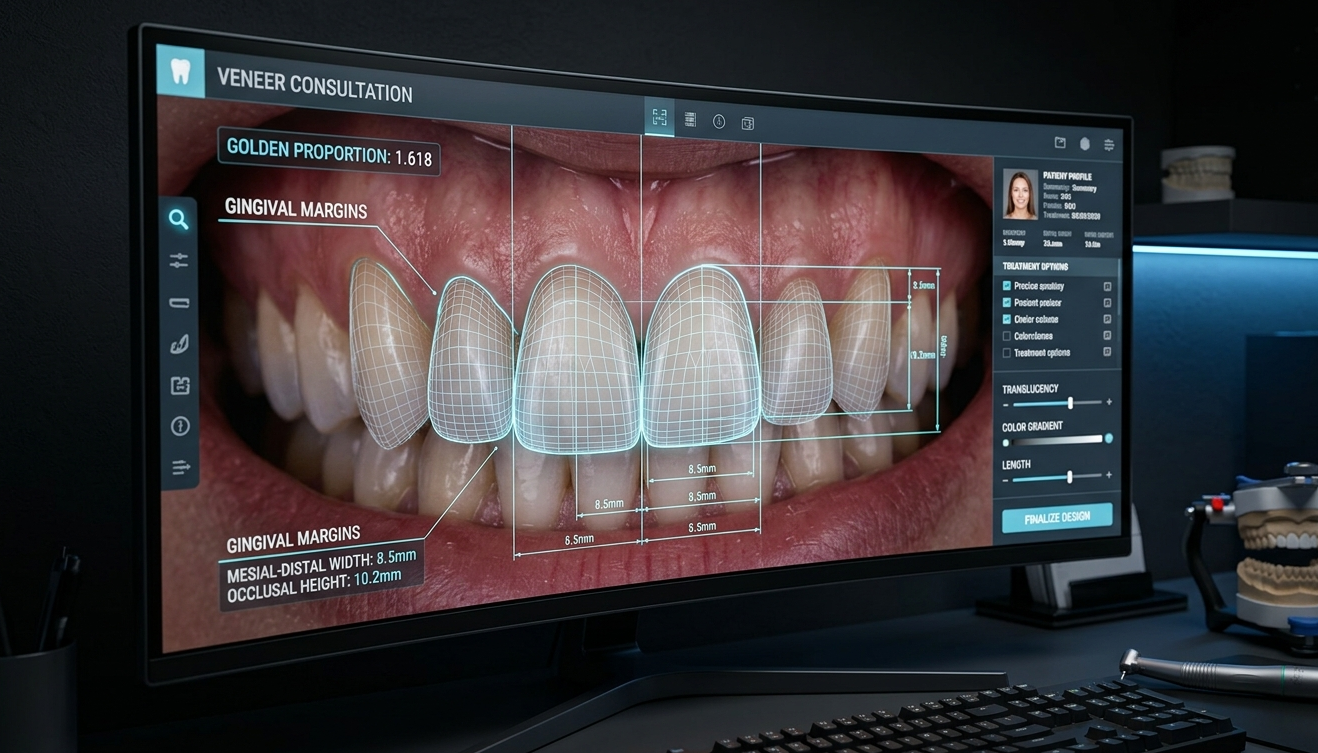
How to Have 10 Assistants Working 24/7 to Close More Veneer Cases
Deploy an invisible AI workforce to capture leads, automate follow-up, and free your staff to close more high-value veneer cases.

Are Your AI Simulations Letting Down the Quality of Your Veneers?
Generic public AI models often alter identity and produce unrealistic teeth. Bleach AI preserves identity and creates clinical-quality, presentation-grade simulations.
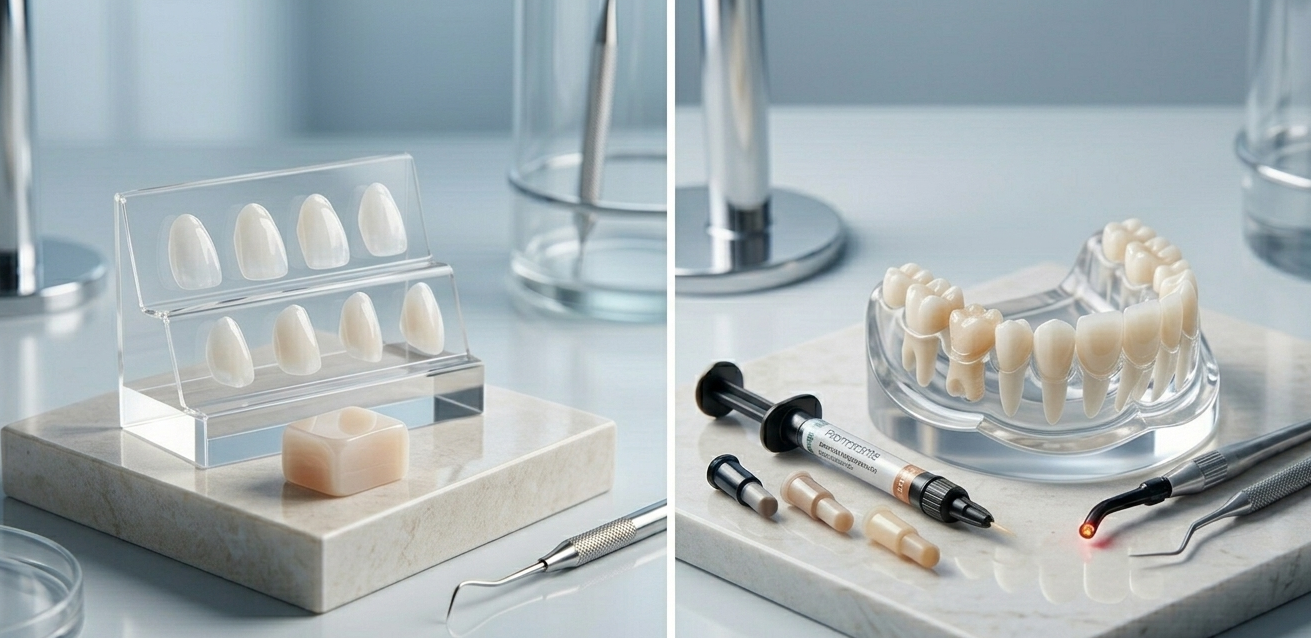
Porcelain vs. Composite Resin Veneers: The Ultimate Comparison Guide
When deciding to invest in a smile makeover, selecting the right material for your veneers is the most critical choice you will make.
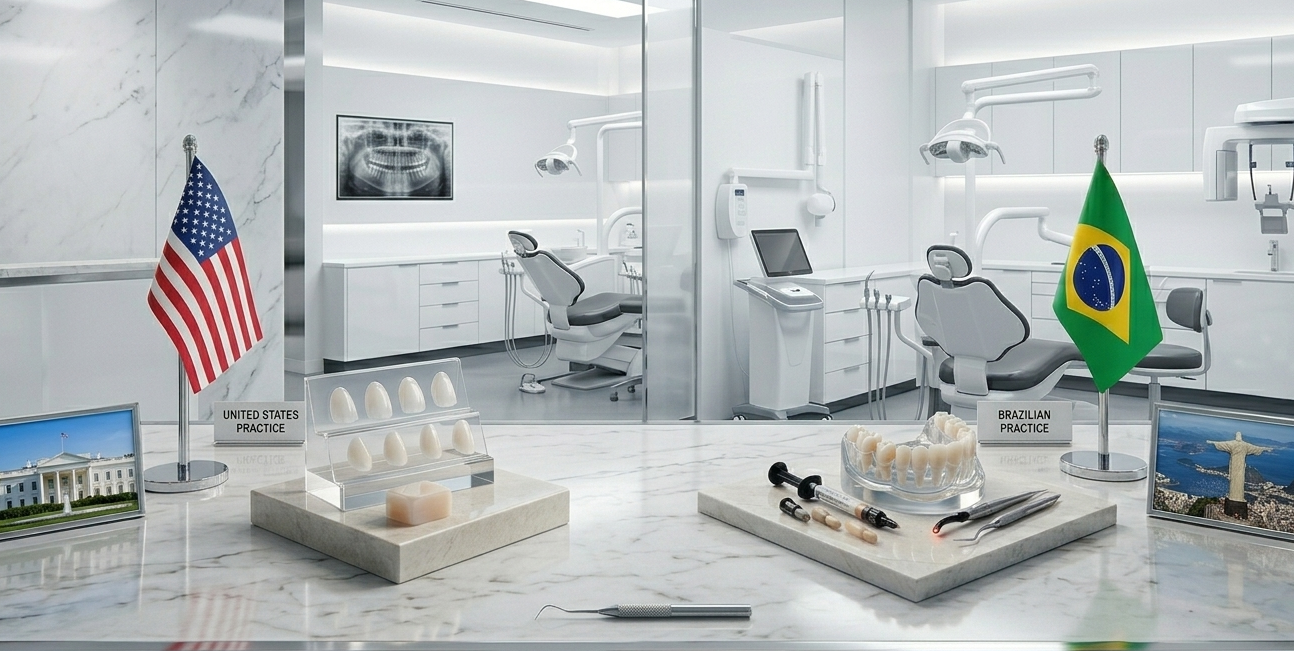
The True Cost of Composite Resin Veneers - U.S. vs. Brazil
While composite resin veneers are a budget-friendly alternative to porcelain, outfitting a full smile in the U.S. can still be a burden. Discover why patients are choosing dental tourism in Brazil.
The True Cost of Porcelain Veneers - U.S. vs. Brazil
A complete smile makeover can be a life-changing investment, restoring confidence and transforming your appearance. However, the high costs associated with premium aesthetic dentistry in the United States often put this dream out of reach.
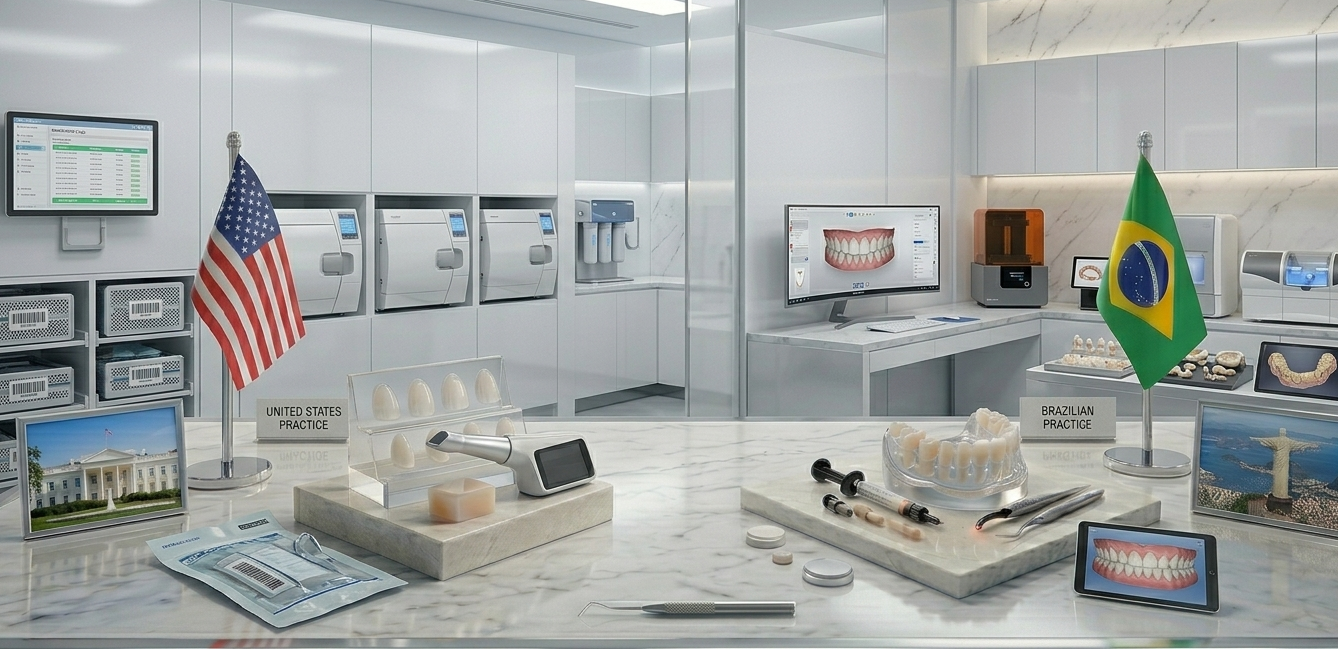
Where Should I Make My Veneer Procedure? U.S. vs. Brazil
Deciding to transform your smile with veneers is an exciting step, but it immediately leads to a critical question: Where should I have the procedure done?
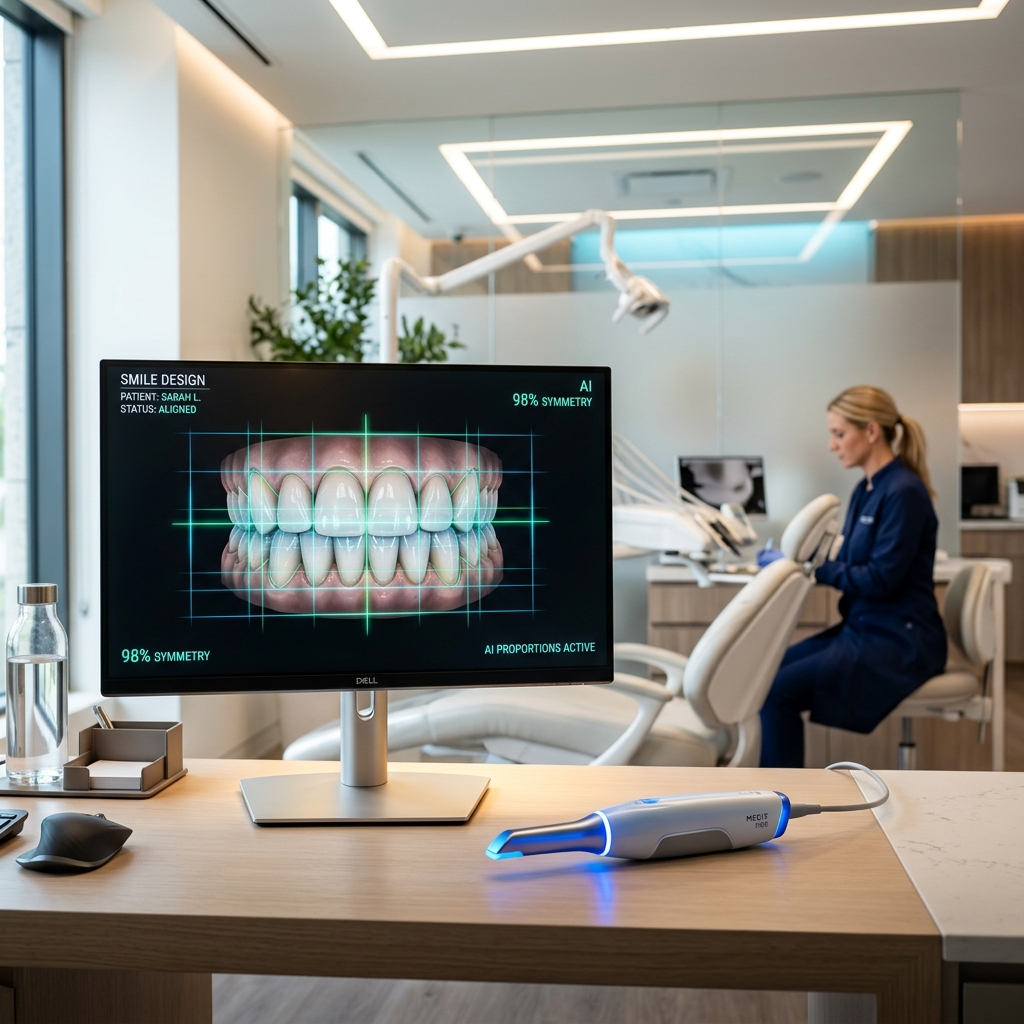
The Rise of Minimal-Prep "Skinny" Veneers: Why Natural is the New Perfect
For decades, the standard for a smile makeover was the classic "Hollywood Smile". Today, a massive shift is occurring in aesthetic dentistry. Patients no longer want teeth that look "done"; they want teeth that look genetically perfect.
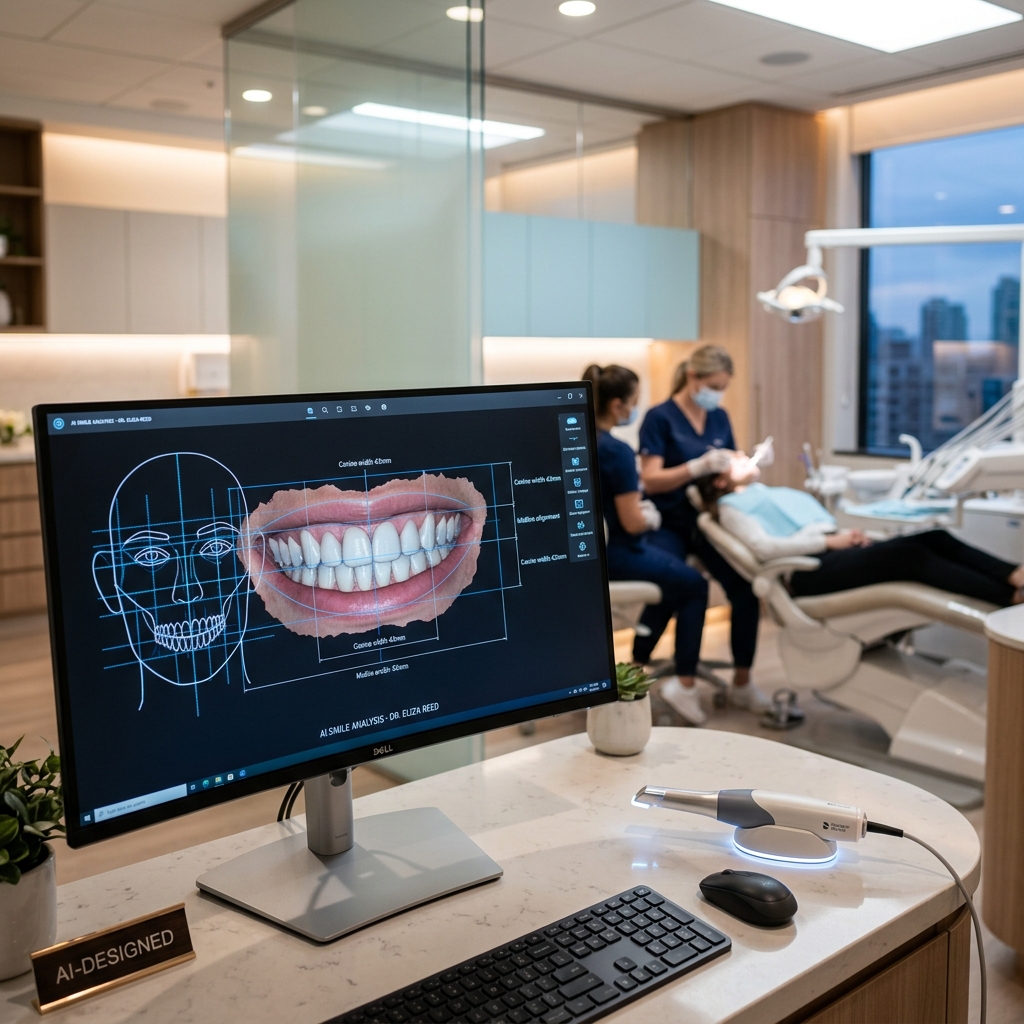
Try Before You Buy: How AI and Digital Smile Design Have Changed Dentistry
For many patients, the greatest barrier to achieving their dream smile is not the cost or the time—it is the fear of the unknown. Today, thanks to the revolutionary integration of Artificial Intelligence and Digital Smile Design (DSD), the guesswork is entirely eliminated.
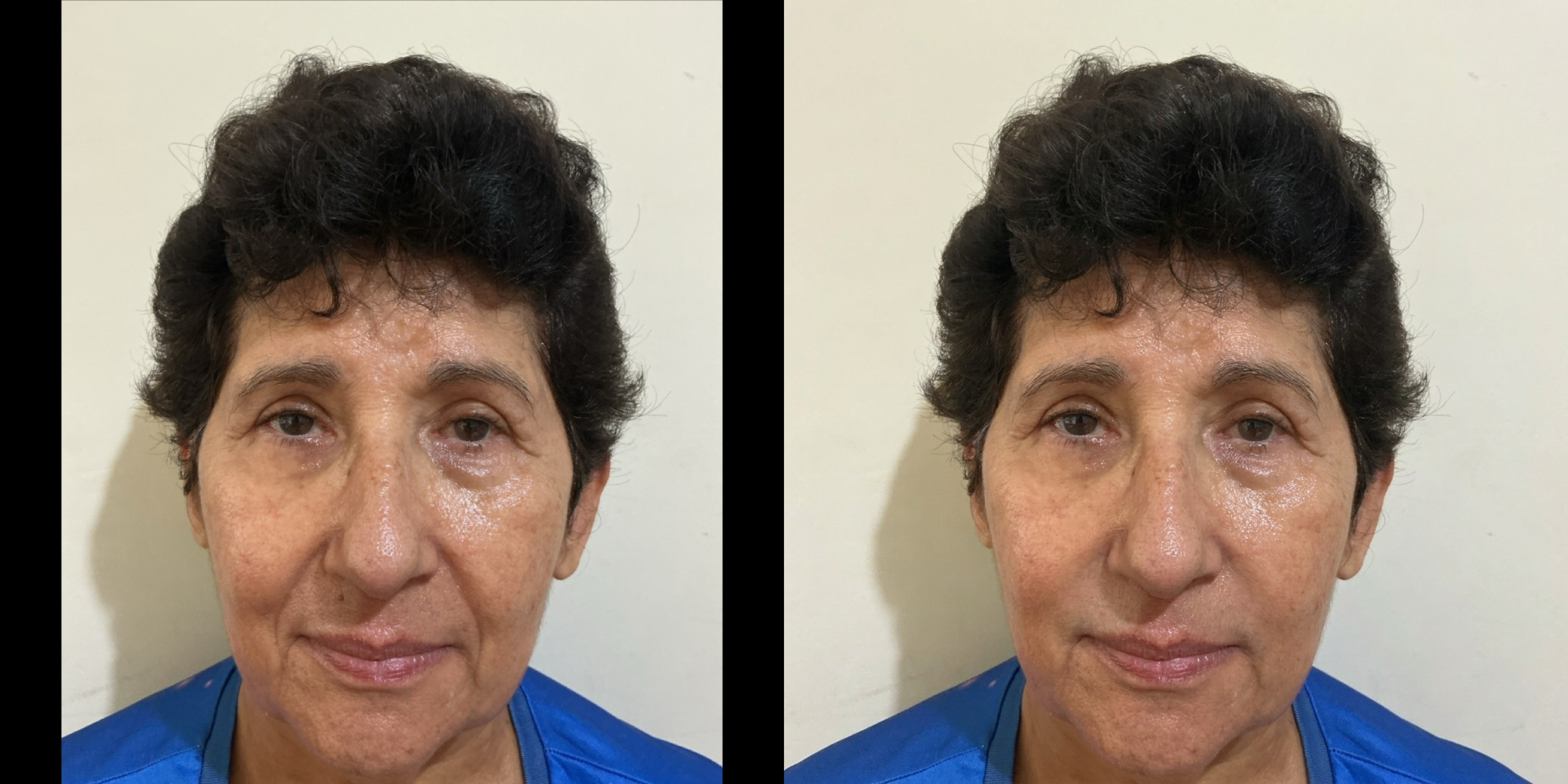
Erasing the Nasolabial Fold: The Importance of Visualizing Nasolabial Fold Correction
The nasolabial folds—frequently referred to as the "bigode chinês" or laugh lines—are the deep creases that run from the sides of the nose down to the corners of the mouth.

The Power of Visualization in Eyelid Rejuvenation: Why Seeing Blepharoplasty Results Matters First
The eyes are undeniably the focal point of facial expression and human interaction. Over time, however, the delicate skin around the eyelids is often the first to show visible signs of aging.
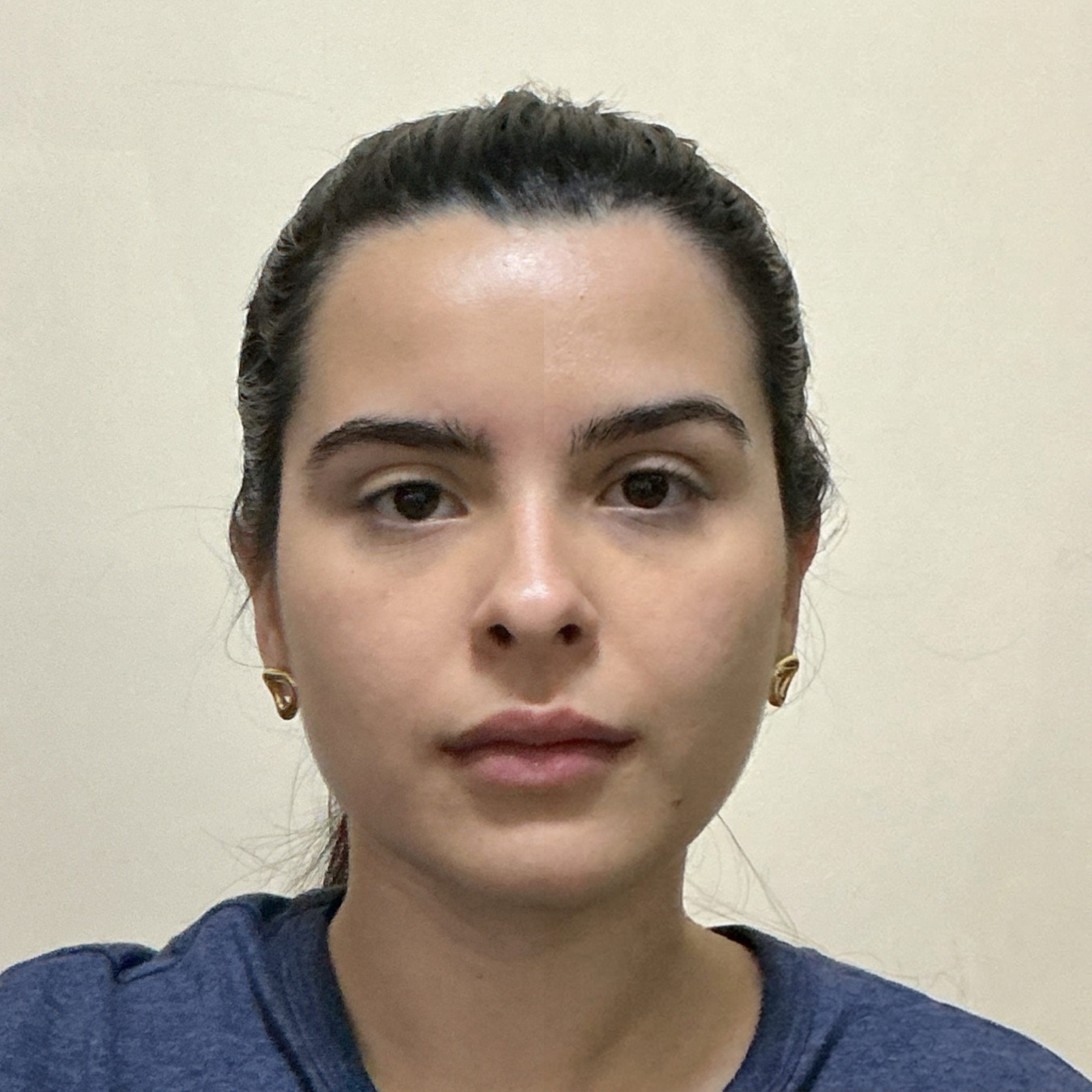
Opening Up the Upper Face: Visualizing the Impact of a Brow Lift
The eyebrows act as the essential frame for the eyes, conveying emotion, vitality, and alertness. Over time, gravity pulls the brow downward, causing heavy, hooded upper eyelids and horizontal forehead wrinkles.
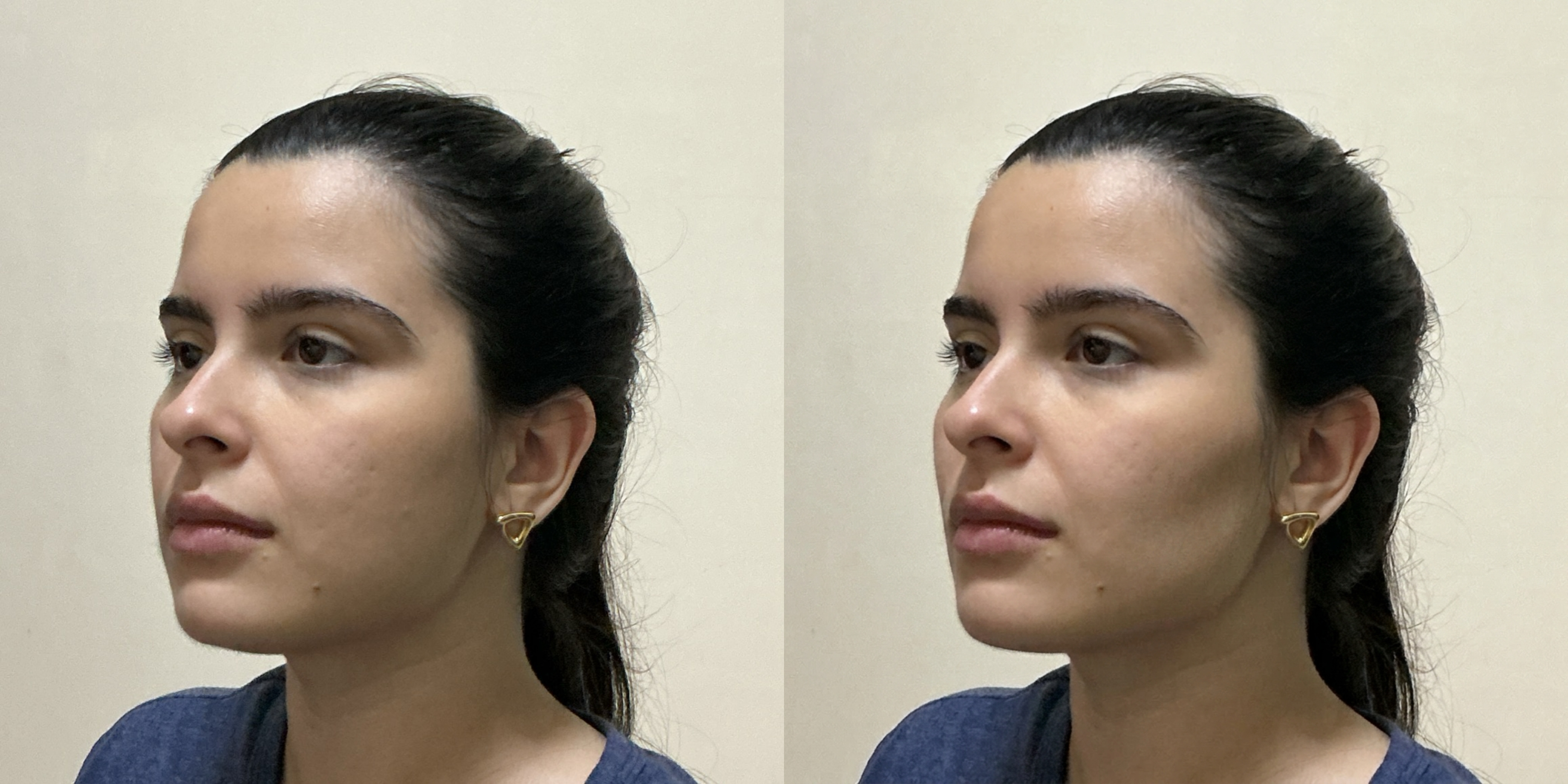
Sculpting the Chiseled Jawline: Visualizing Buccal Fat Pad Excision with Precision
In the world of high-fashion and modern aesthetics, a contoured, chiseled jawline and defined cheekbones are highly coveted. However, genetics often dictate the presence of excess volume in the lower cheeks, known as buccal fat pads.
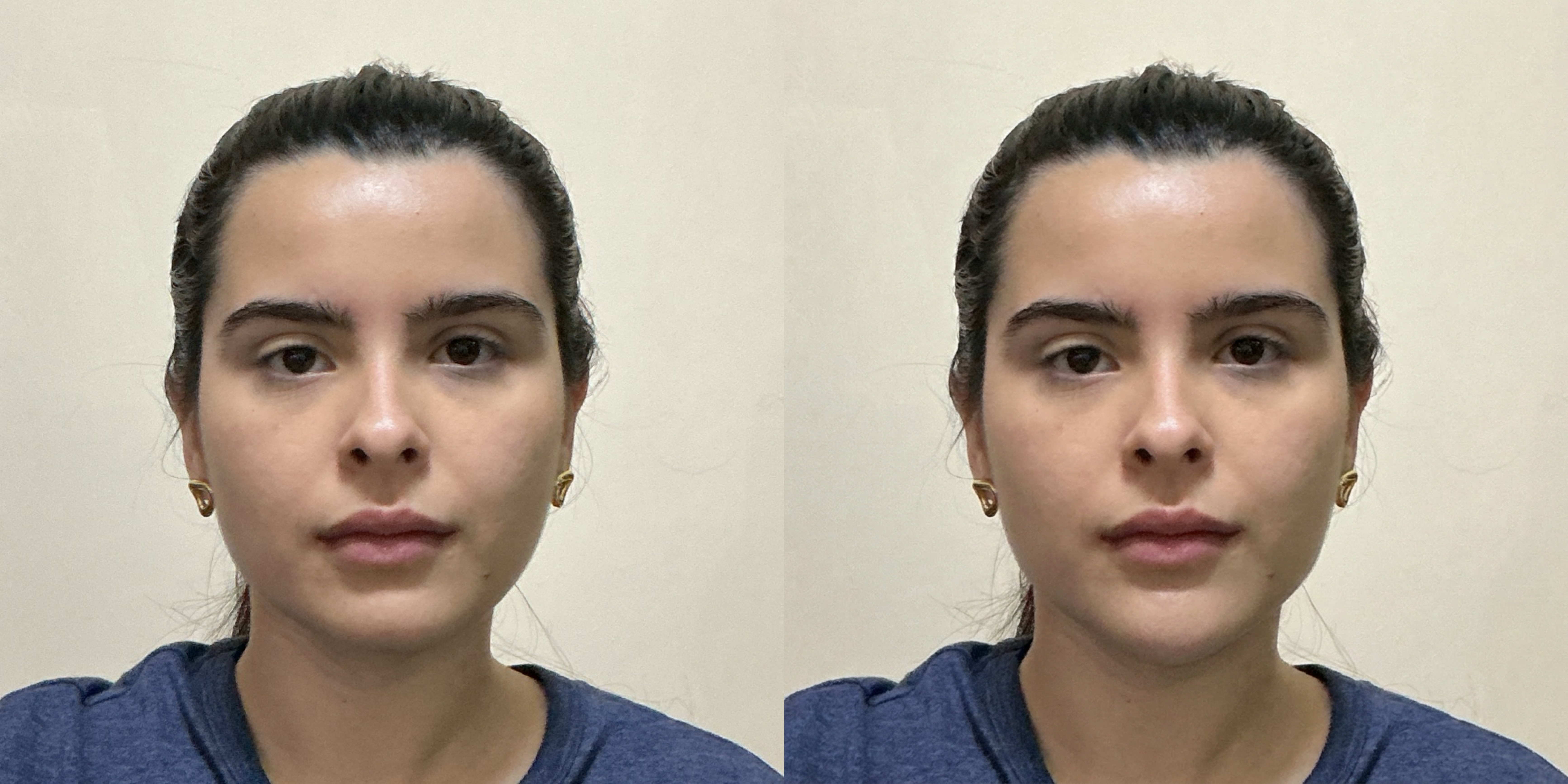
Balancing the Profile: Why Chin Augmentation Demands a Digital Preview
Facial beauty is heavily dependent on the mathematical proportions and balance of the profile. A weak, recessed, or "short" chin can disrupt the golden ratio of the face, making the nose appear overly large, the jawline undefined, and the neck appear heavier than it is.
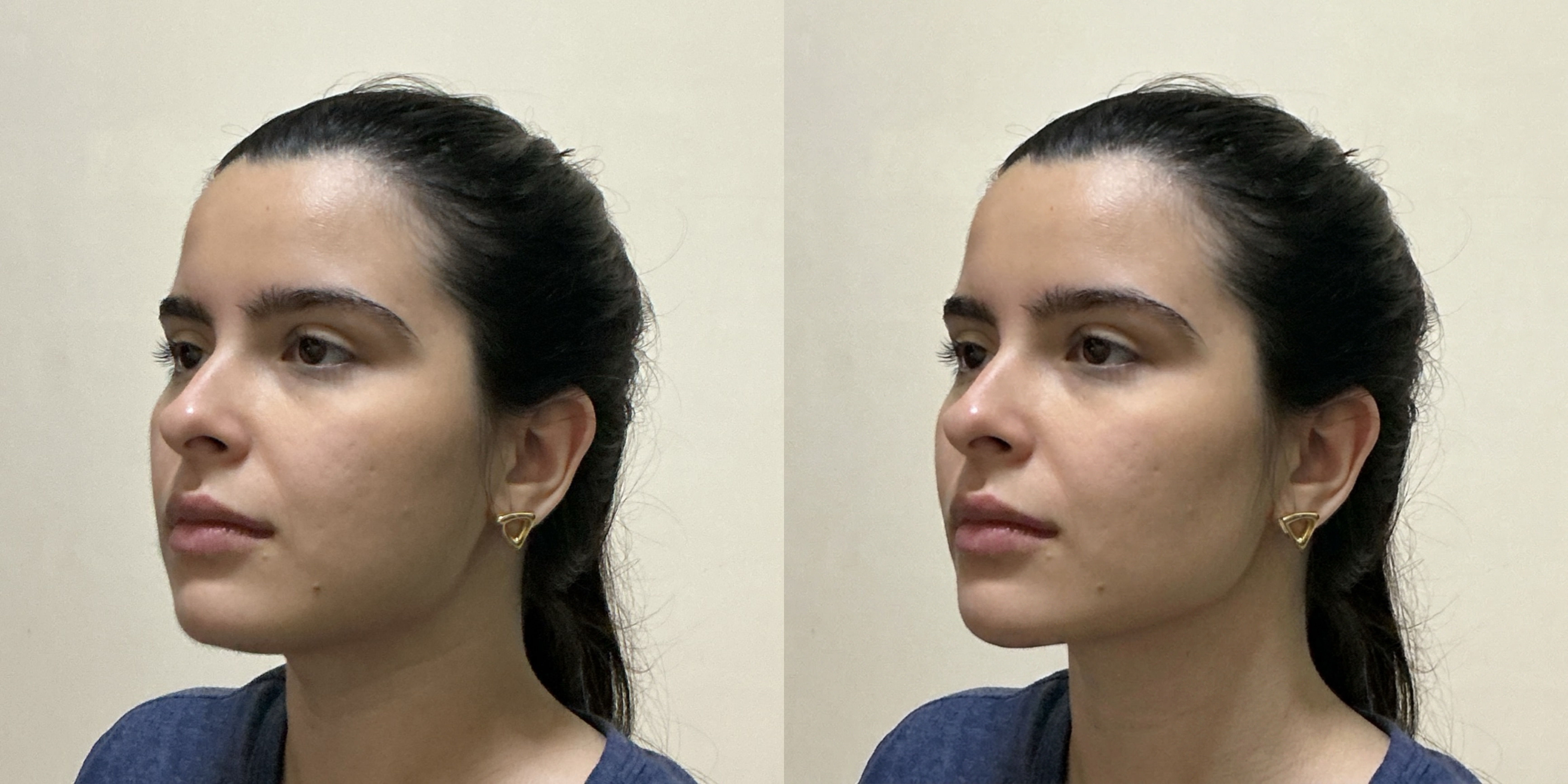
The Modern Facelift: How AI Simulation Reverses Aging and Accelerates Case Acceptance
As gravity, sun exposure, and natural aging take their toll, the structural integrity of the lower face and neck begins to decline. This results in sagging skin, the formation of jowls along the jawline, deep marionette lines, and significant neck laxity.
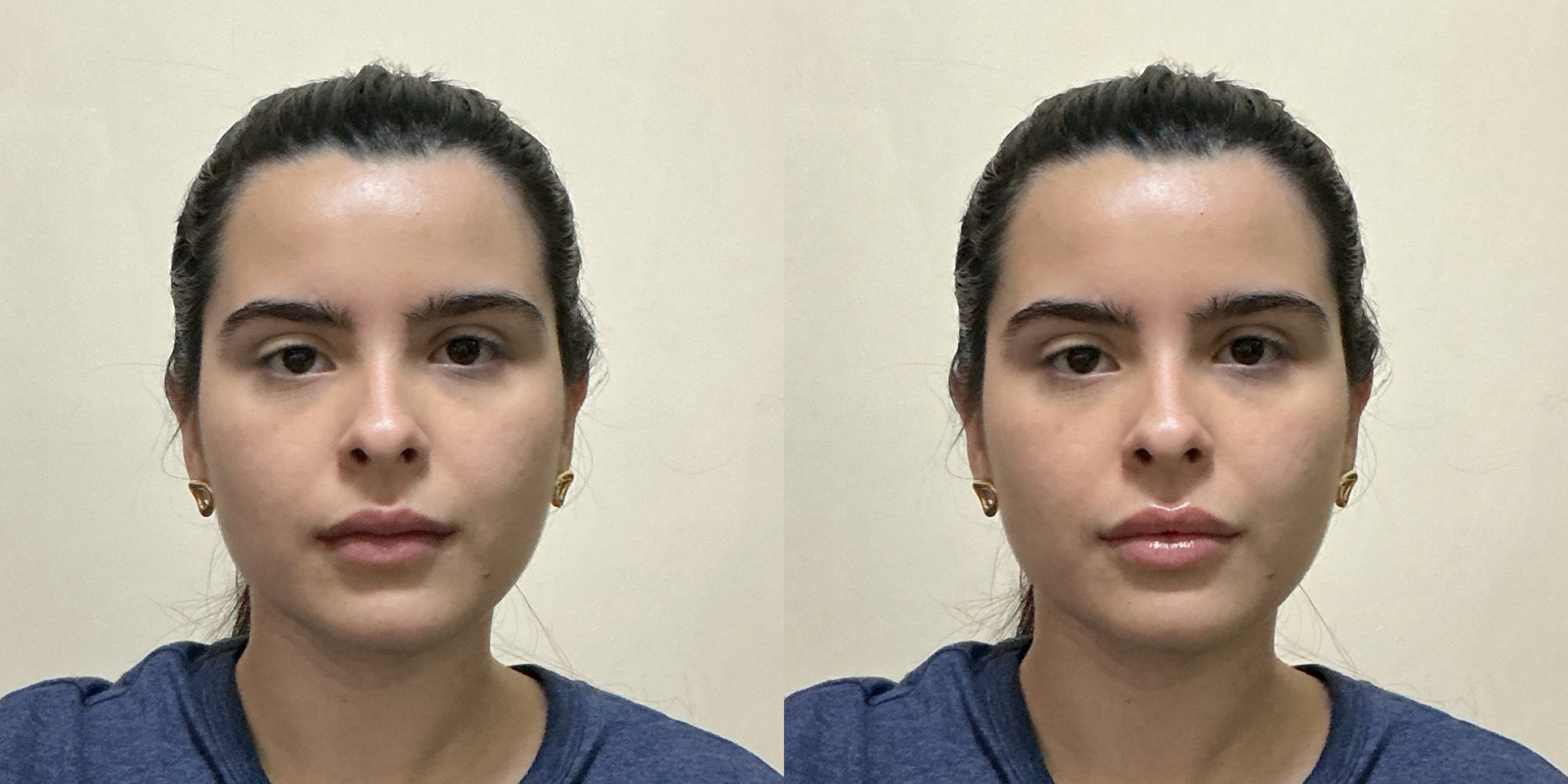
The Perfect Pout: Why the Surgical Lip Lift Requires a Digital Test Drive
As the face ages, the philtrum (the space between the base of the nose and the top of the upper lip) naturally lengthens, causing the upper lip to thin and roll inward, hiding the pink vermilion and the upper teeth.
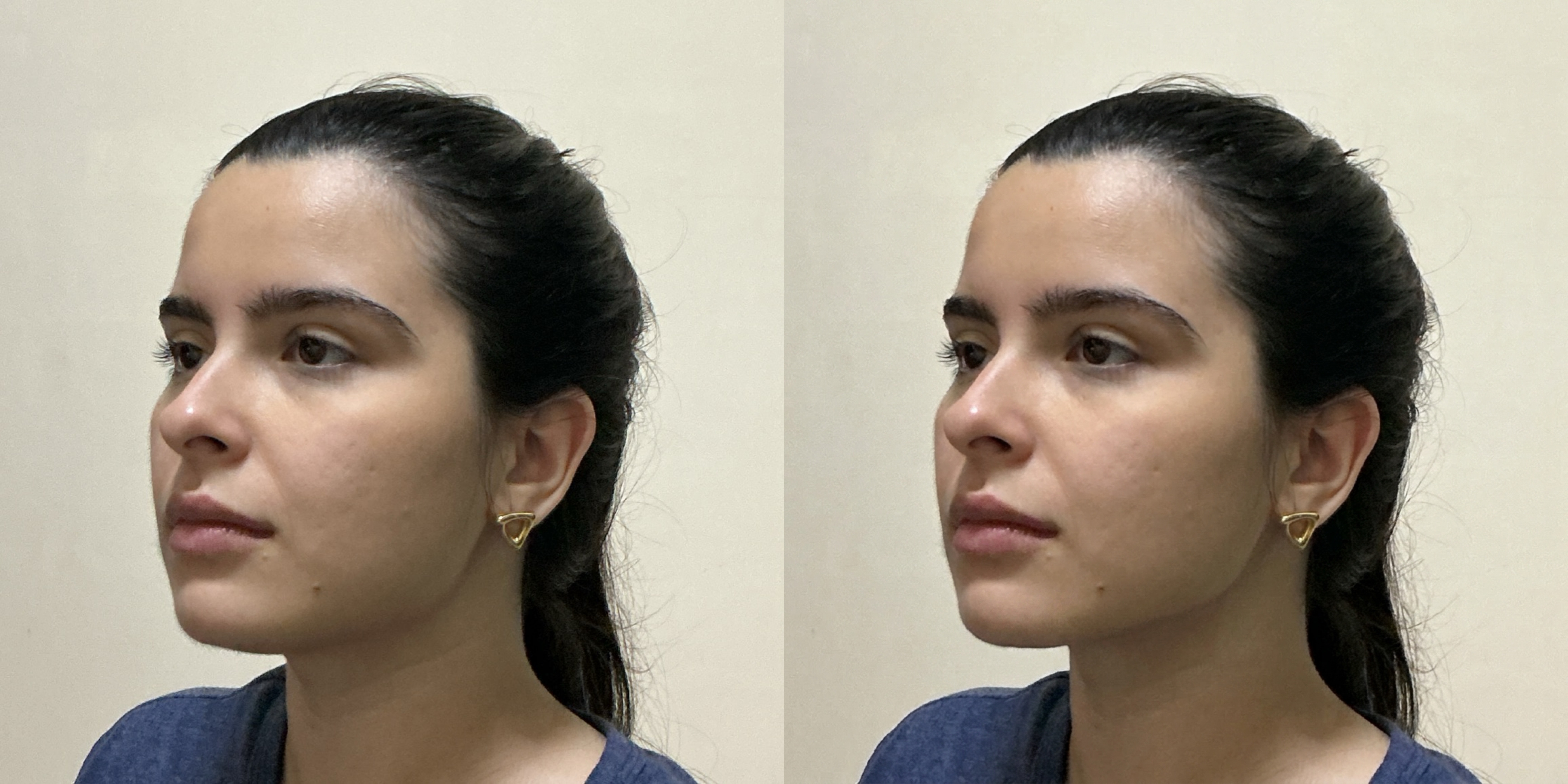
Redefining the Profile: The Crucial Role of AI in Neck Lift Consultations
A youthful, elegant face requires a sharp, defined transition between the jawline and the neck. Unfortunately, the submental (under-chin) area and the neck are highly susceptible to gravity and age.
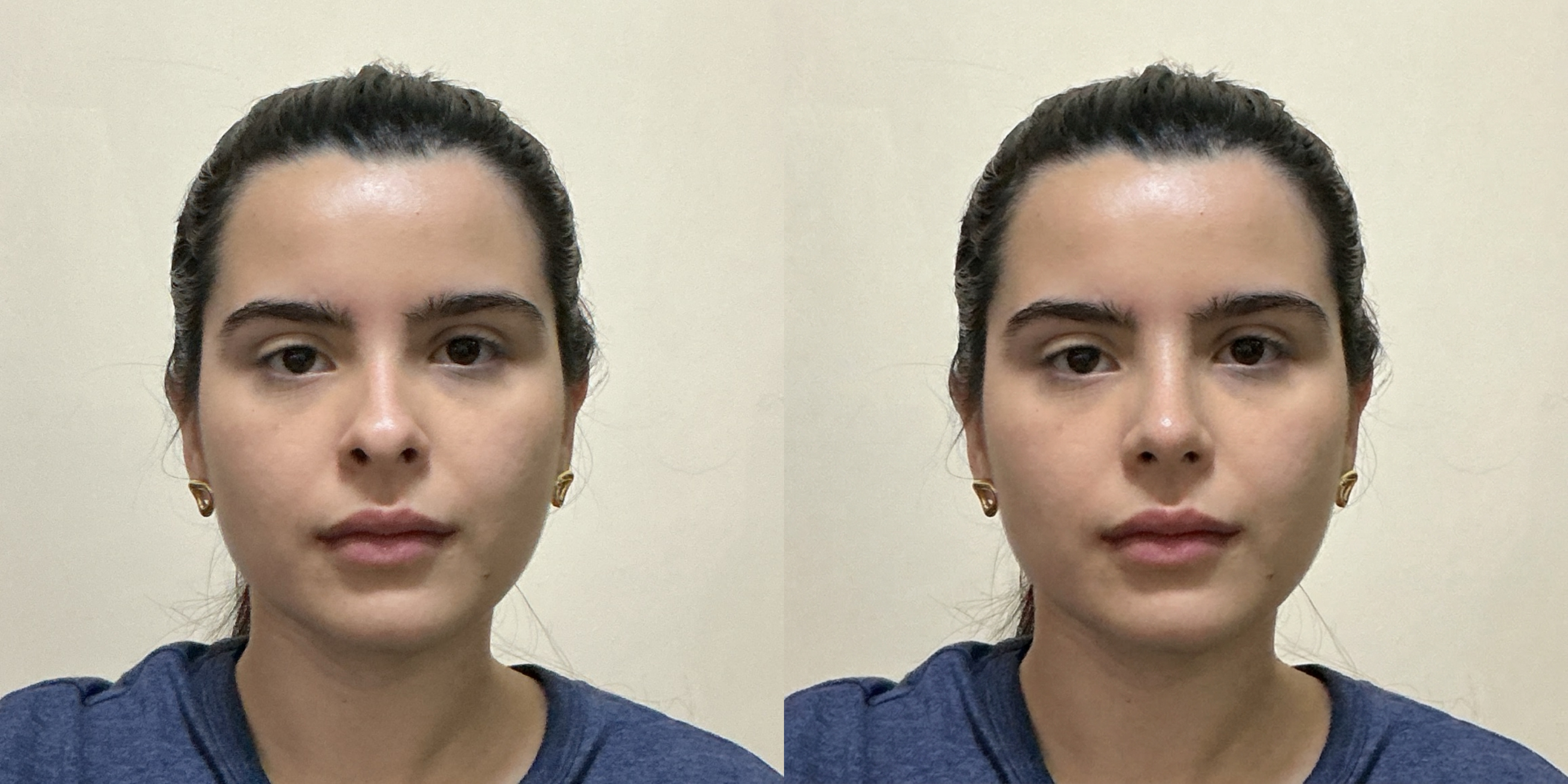
Redefining Facial Harmony: Why Rhinoplasty Patients Demand Visual Proof Before Surgery
Because it sits at the exact center of the face, the nose dictates the fundamental balance, symmetry, and overall aesthetic profile of a patient. Even minor structural irregularities can profoundly affect facial harmony and self-confidence.
Frequently Asked Questions
BLEACH is a high-fidelity visual simulation, not a clinical measurement tool. It helps align expectations and guide esthetic discussions, but final outcomes depend on clinical factors and may vary.
BLEACH is a smile simulation tool. It generates realistic 2D previews to support patient communication and expectation-setting. We do not provide physical dental products.
BLEACH is designed for esthetic consultations where patients want to preview changes in smile appearance. It is commonly used for veneer discussions, but it can also help visualize general smile improvements depending on the case.
A square photo with a natural smile (mouth closed, teeth visible), good lighting, and a front-facing angle works best. Similar to the example in our hero section. Avoid shadows, filters, or exaggerated expressions.
It can help reduce remakes by aligning shade expectations before treatment. When patients choose the look after seeing a preview, there are fewer surprises like "too white" or "too fake."
Most patients feel more confident when they can preview the result on their own photo before committing. It helps them understand the shade and overall look in advance, and results may vary by case.
BLEACH uses modern generative AI to create realistic smile previews from the photo you upload. It is designed for communication and expectation-setting, not for clinical measurement or manufacturing output.
Yes! It works perfectly on iPhone, iPad, and Android devices as a web application.
Yes. Many clinics generate the previews chairside and then share the results with the patient for follow-up via WhatsApp or other channels.
Yes. We store the uploaded photo and generated simulations in your account history so you can access them later. Files are stored under a hashed identifier and are only accessible to the account that created the simulation.
Yes. You can delete simulations from your history at any time. We recommend avoiding patient names or identifying details in uploads.
Currently, BLEACH is a 2D visualization tool for patient communication. 3D OBJ/STL export capabilities are in our roadmap for next year.
Simulations are generated in approximately 10-20 seconds per shade, providing a complete set of options in under a minute.