Blog
Lesen Sie Artikel über realistische Lächeln-Simulationen und klinische Best Practices.
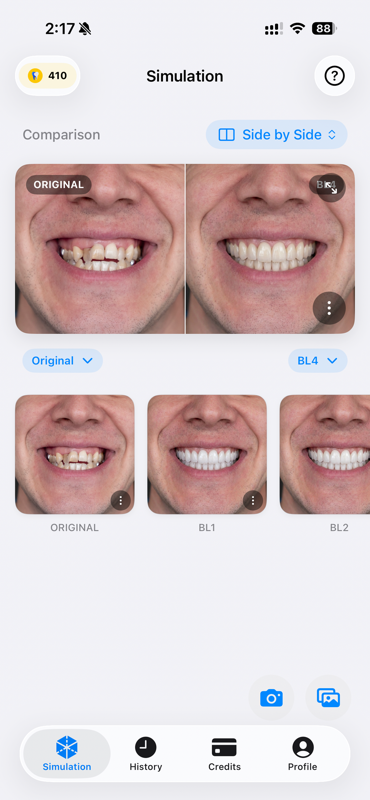
What You See Is What You Get: Die Kunst der echten Lächeln-Simulation
Für ambitionierte Zahnärzte ist der Veneer-Markt eine der lukrativsten Chancen – Bleach Dental AI hilft dabei, mehr Veneer-Fälle abzuschließen, indem es hyperrealistische, vertrauenswürdige Simulationen liefert.
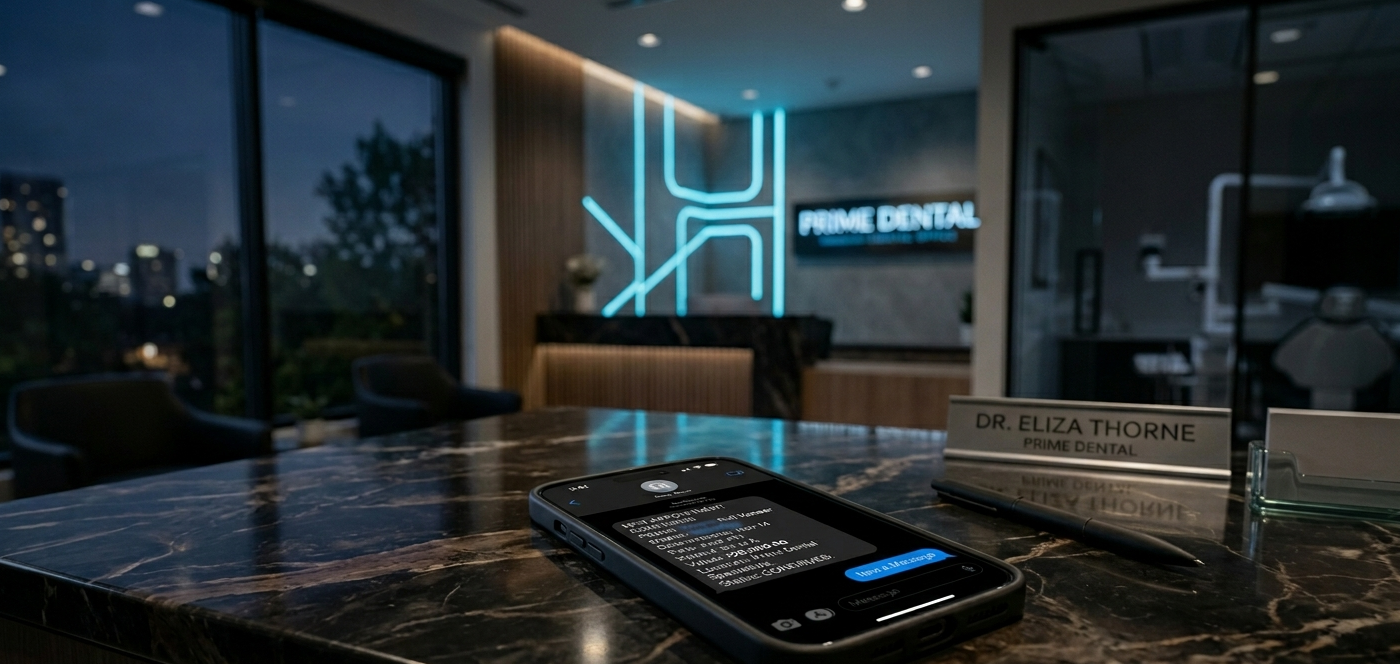
Steigern Sie Ihre Veneer-Annahmequote um 80%: Die Macht der visuellen Simulation
Bleach AI verwandelt Beratungsgespräche in sichere Kaufentscheidungen, indem es Patienten in Sekundenschnelle fotorealistische Veneer-Vorschauen zeigt – das erhöht die Annahmequote und schützt den Marketing-ROI.

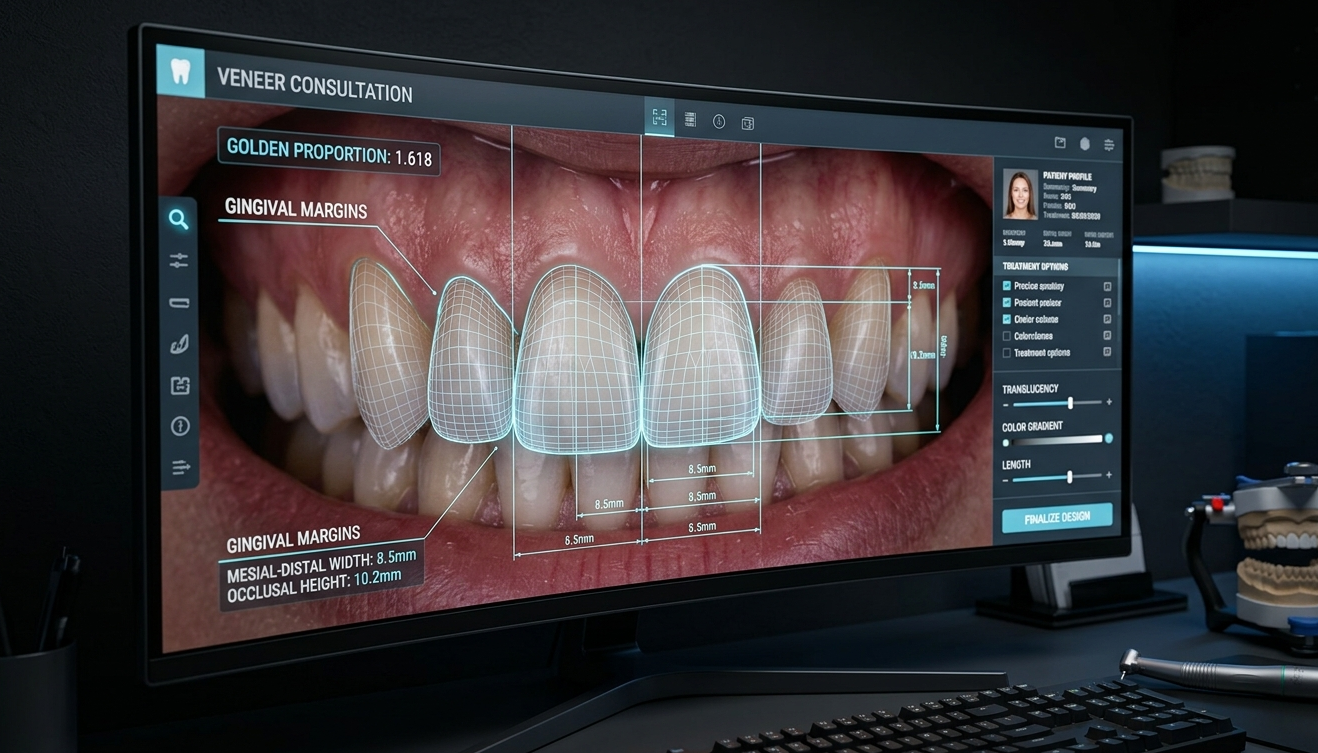
Wie Zahnärzte KI nutzen, um klinische Spitzenleistungen zu erzielen
Top-Zahnärzte nutzen KI, um die Zeit auf dem Behandlungsstuhl zu verkürzen, teure Neuanfertigungen zu vermeiden und vorhersagbare Veneer-Ergebnisse zu liefern – so wird die Behandlungsplanung zu einem Prozess mit hohem ROI.
Wie Sie 10 Assistenten rund um die Uhr einsetzen, um mehr Veneer-Fälle abzuschließen
Nutzen Sie ein unsichtbares KI-Team, um Leads zu erfassen, das Nachfassen zu automatisieren und Ihr Personal zu entlasten, damit mehr hochwertige Veneer-Fälle abgeschlossen werden können.

Schmälern generische KI-Simulationen die wahrgenommene Qualität Ihrer Veneers?
Generische, öffentliche KI-Modelle verändern oft die Identität und erzeugen unrealistische Zähne. Bleach AI bewahrt die Identität und erstellt Simulationen in klinischer Präsentationsqualität.
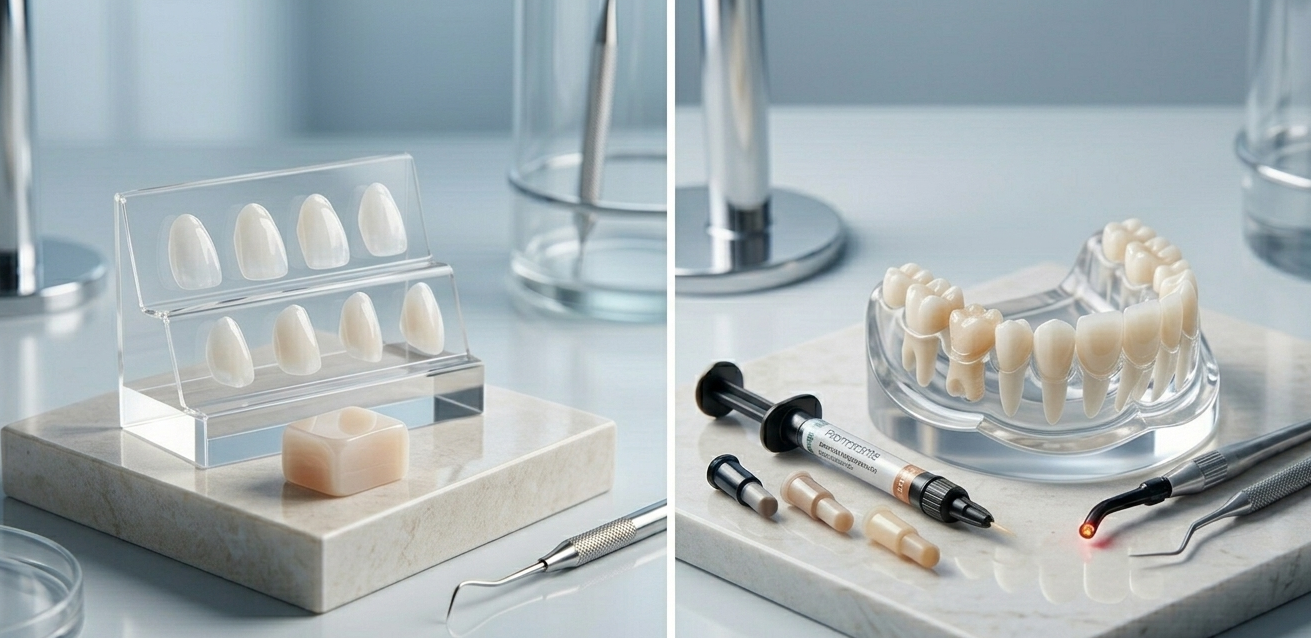
Porcelain vs. Composite Resin Veneers: The Ultimate Comparison Guide
When deciding to invest in a smile makeover, selecting the right material for your veneers is the most critical choice you will make.
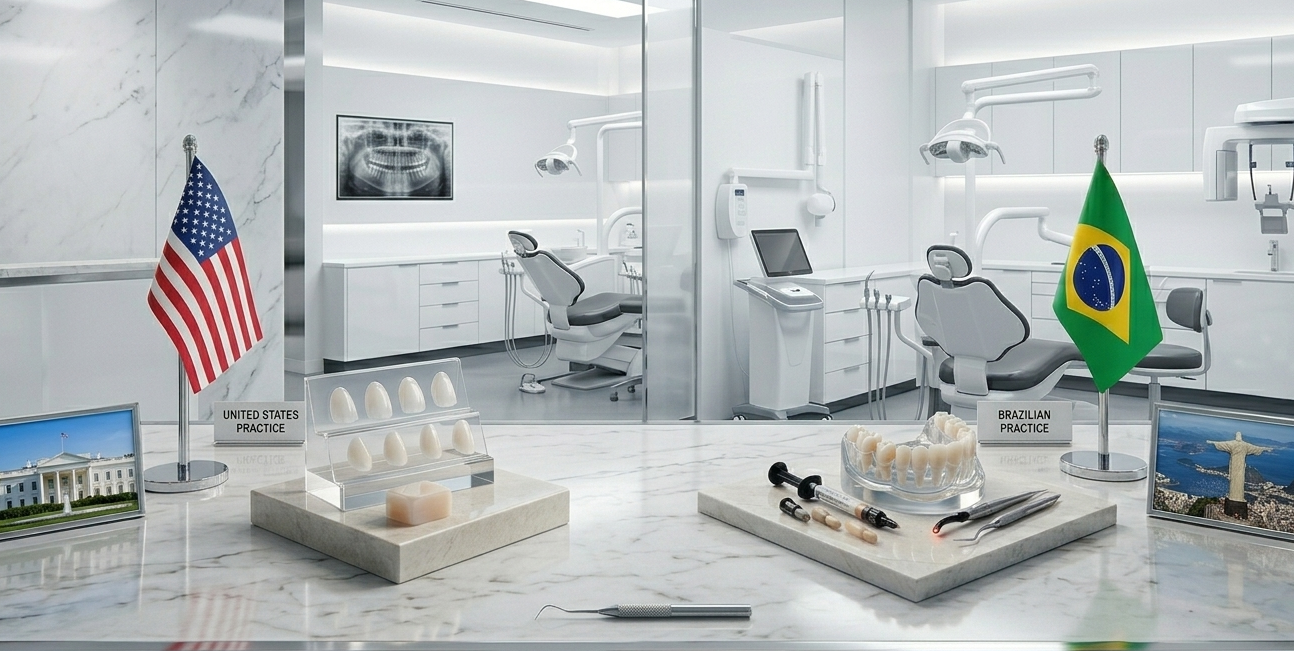
The True Cost of Composite Resin Veneers - U.S. vs. Brazil
While composite resin veneers are a budget-friendly alternative to porcelain, outfitting a full smile in the U.S. can still be a burden. Discover why patients are choosing dental tourism in Brazil.
The True Cost of Porcelain Veneers - U.S. vs. Brazil
A complete smile makeover can be a life-changing investment, restoring confidence and transforming your appearance. However, the high costs associated with premium aesthetic dentistry in the United States often put this dream out of reach.
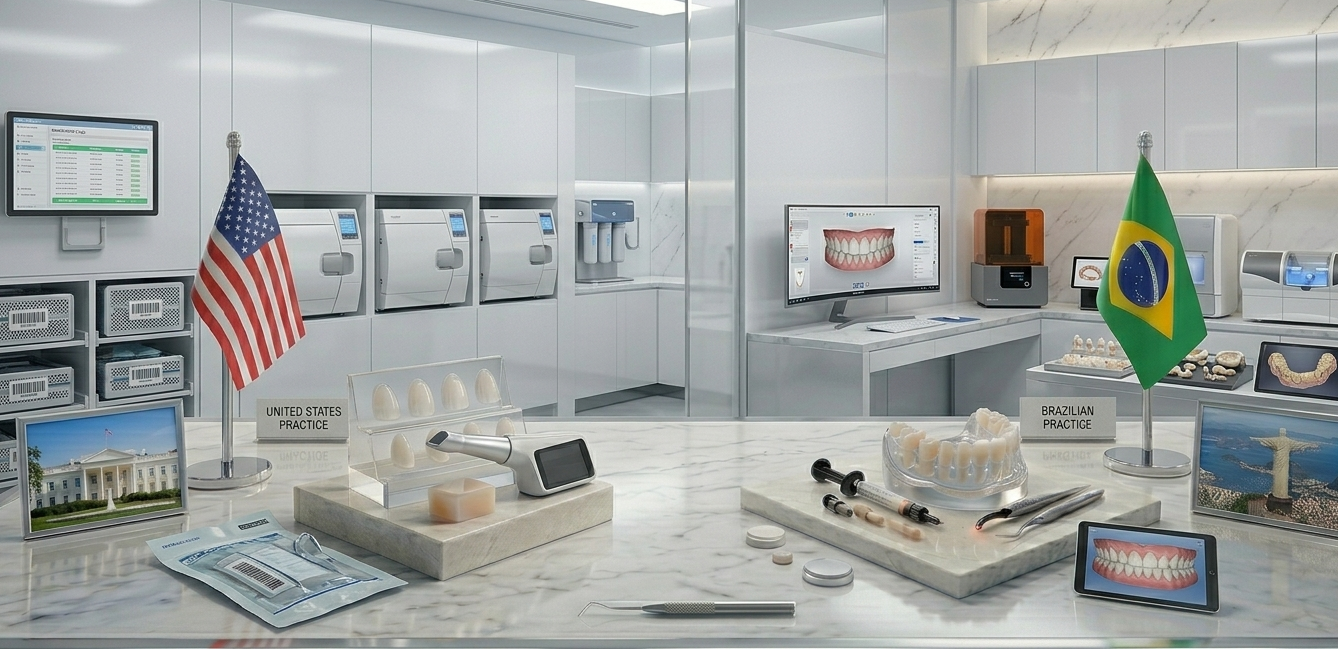
Where Should I Make My Veneer Procedure? U.S. vs. Brazil
Deciding to transform your smile with veneers is an exciting step, but it immediately leads to a critical question: Where should I have the procedure done?
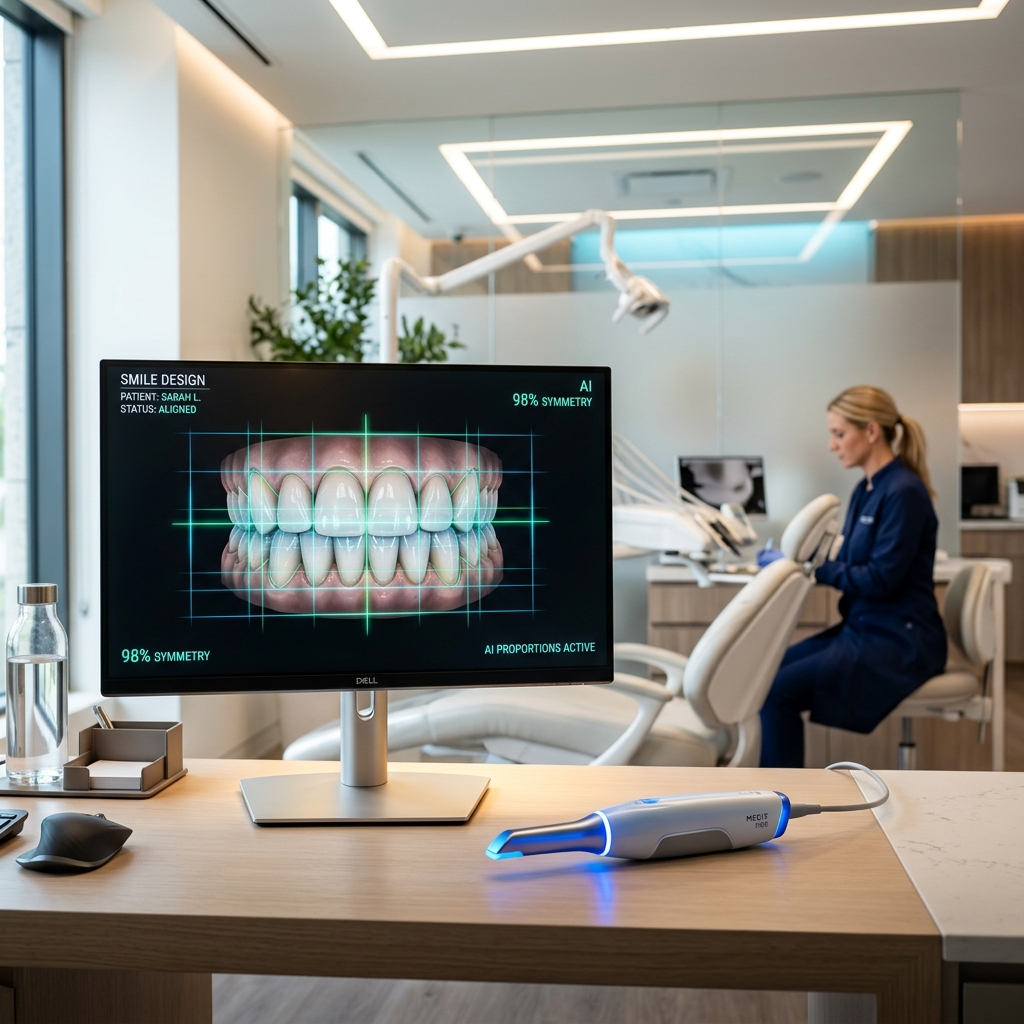
The Rise of Minimal-Prep "Skinny" Veneers: Why Natural is the New Perfect
For decades, the standard for a smile makeover was the classic "Hollywood Smile". Today, a massive shift is occurring in aesthetic dentistry. Patients no longer want teeth that look "done"; they want teeth that look genetically perfect.
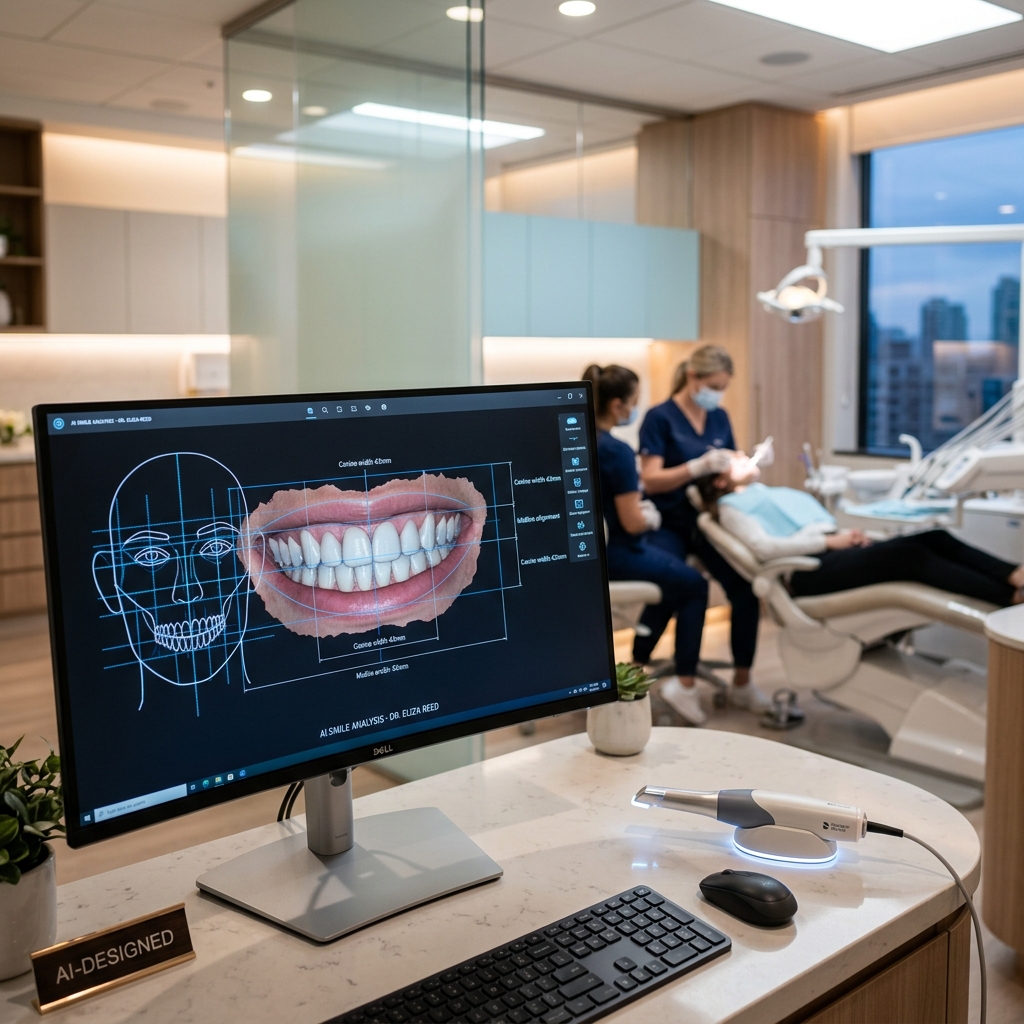
Try Before You Buy: How AI and Digital Smile Design Have Changed Dentistry
For many patients, the greatest barrier to achieving their dream smile is not the cost or the time—it is the fear of the unknown. Today, thanks to the revolutionary integration of Artificial Intelligence and Digital Smile Design (DSD), the guesswork is entirely eliminated.

Erasing the Nasolabial Fold: The Importance of Visualizing Nasolabial Fold Correction
The nasolabial folds—frequently referred to as the "bigode chinês" or laugh lines—are the deep creases that run from the sides of the nose down to the corners of the mouth.

The Power of Visualization in Eyelid Rejuvenation: Why Seeing Blepharoplasty Results Matters First
The eyes are undeniably the focal point of facial expression and human interaction. Over time, however, the delicate skin around the eyelids is often the first to show visible signs of aging.
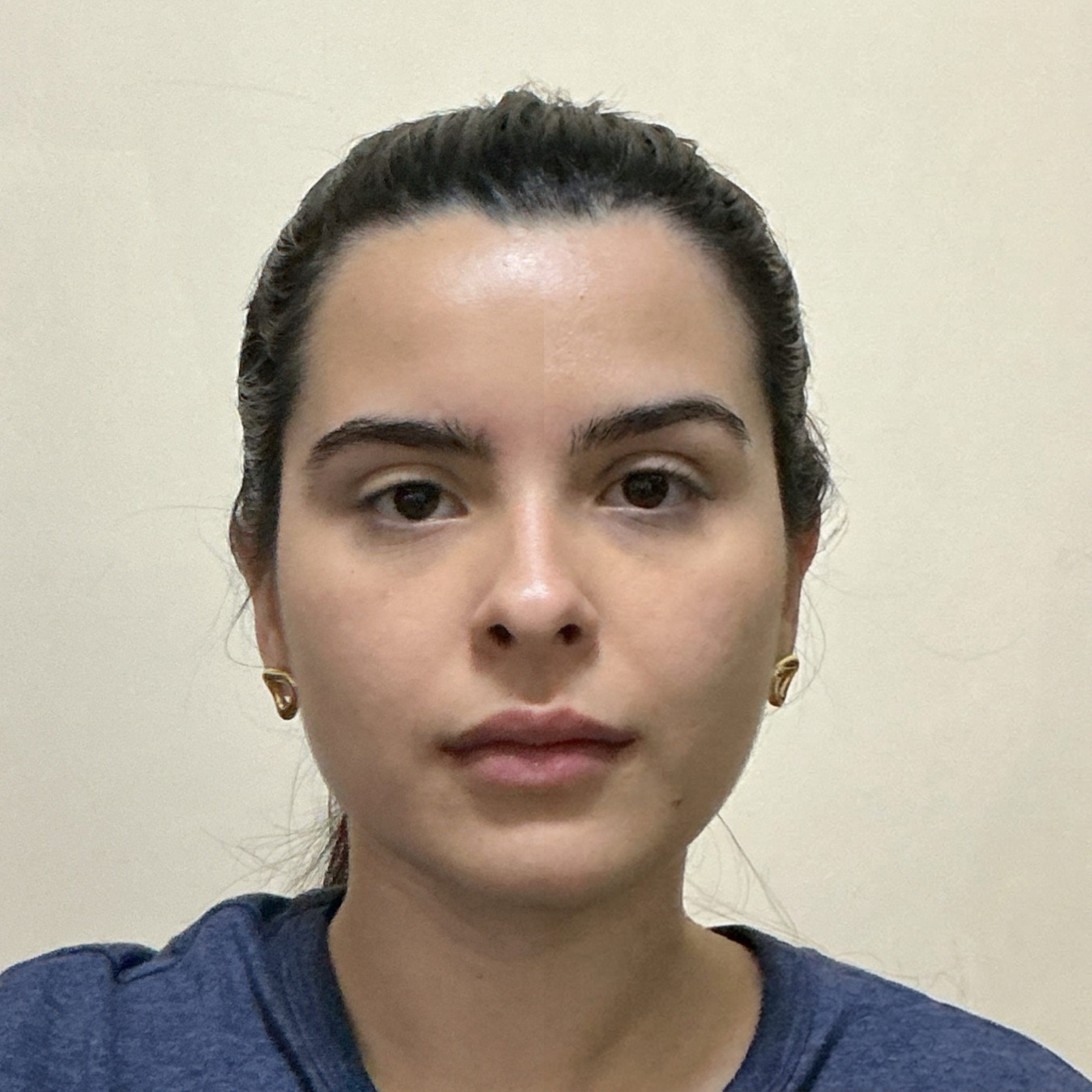
Opening Up the Upper Face: Visualizing the Impact of a Brow Lift
The eyebrows act as the essential frame for the eyes, conveying emotion, vitality, and alertness. Over time, gravity pulls the brow downward, causing heavy, hooded upper eyelids and horizontal forehead wrinkles.
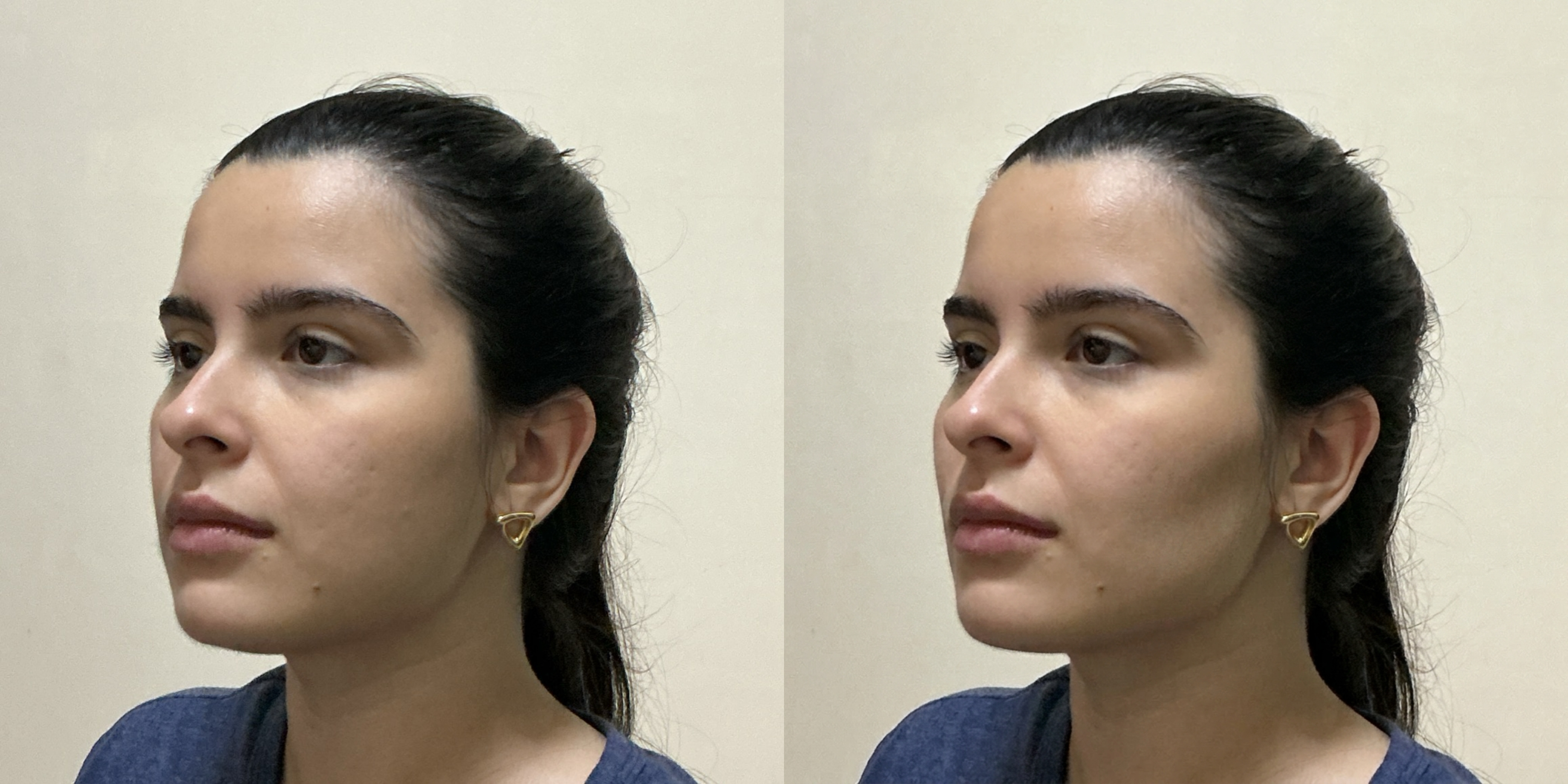
Sculpting the Chiseled Jawline: Visualizing Buccal Fat Pad Excision with Precision
In the world of high-fashion and modern aesthetics, a contoured, chiseled jawline and defined cheekbones are highly coveted. However, genetics often dictate the presence of excess volume in the lower cheeks, known as buccal fat pads.
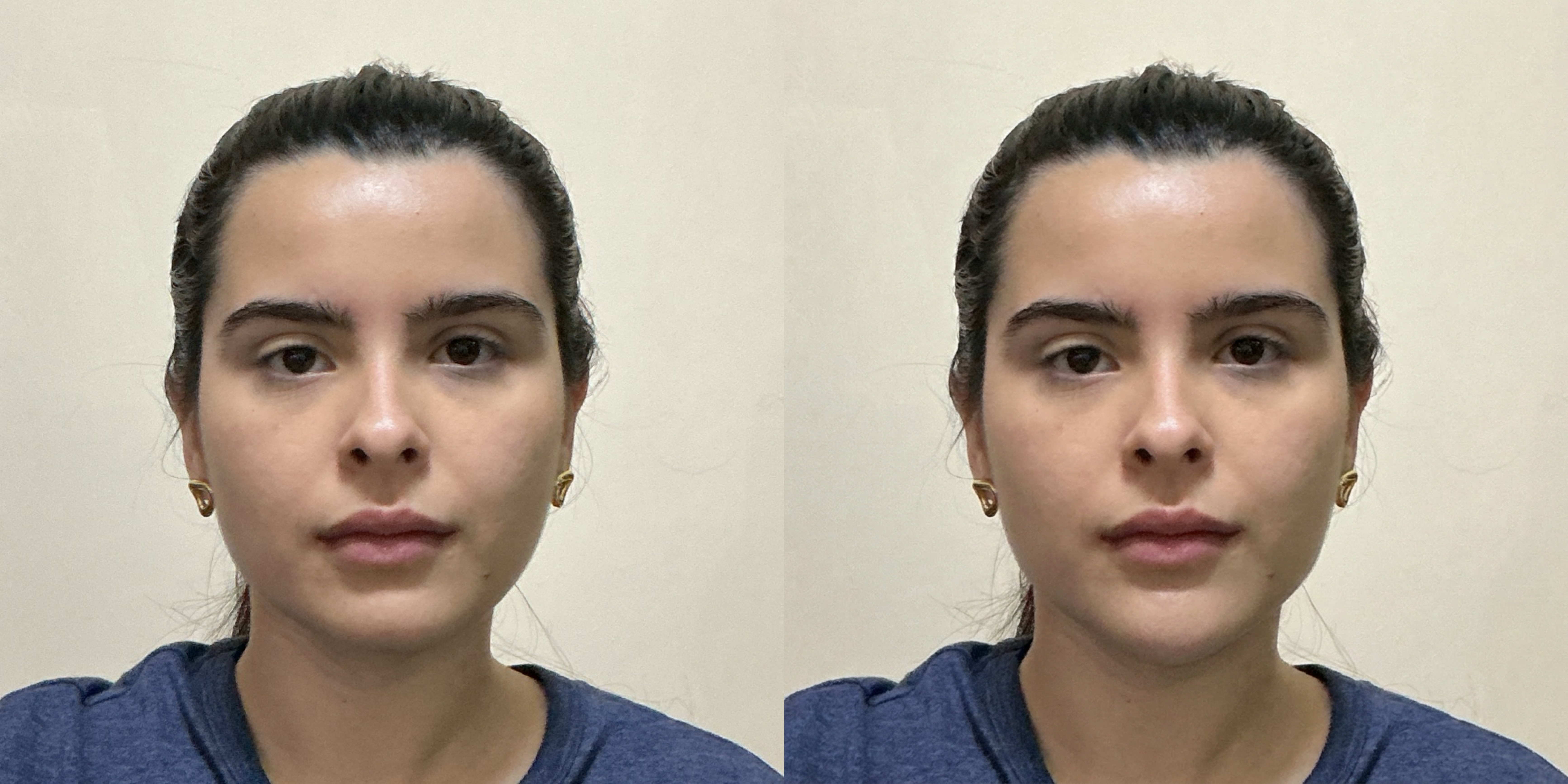
Balancing the Profile: Why Chin Augmentation Demands a Digital Preview
Facial beauty is heavily dependent on the mathematical proportions and balance of the profile. A weak, recessed, or "short" chin can disrupt the golden ratio of the face, making the nose appear overly large, the jawline undefined, and the neck appear heavier than it is.
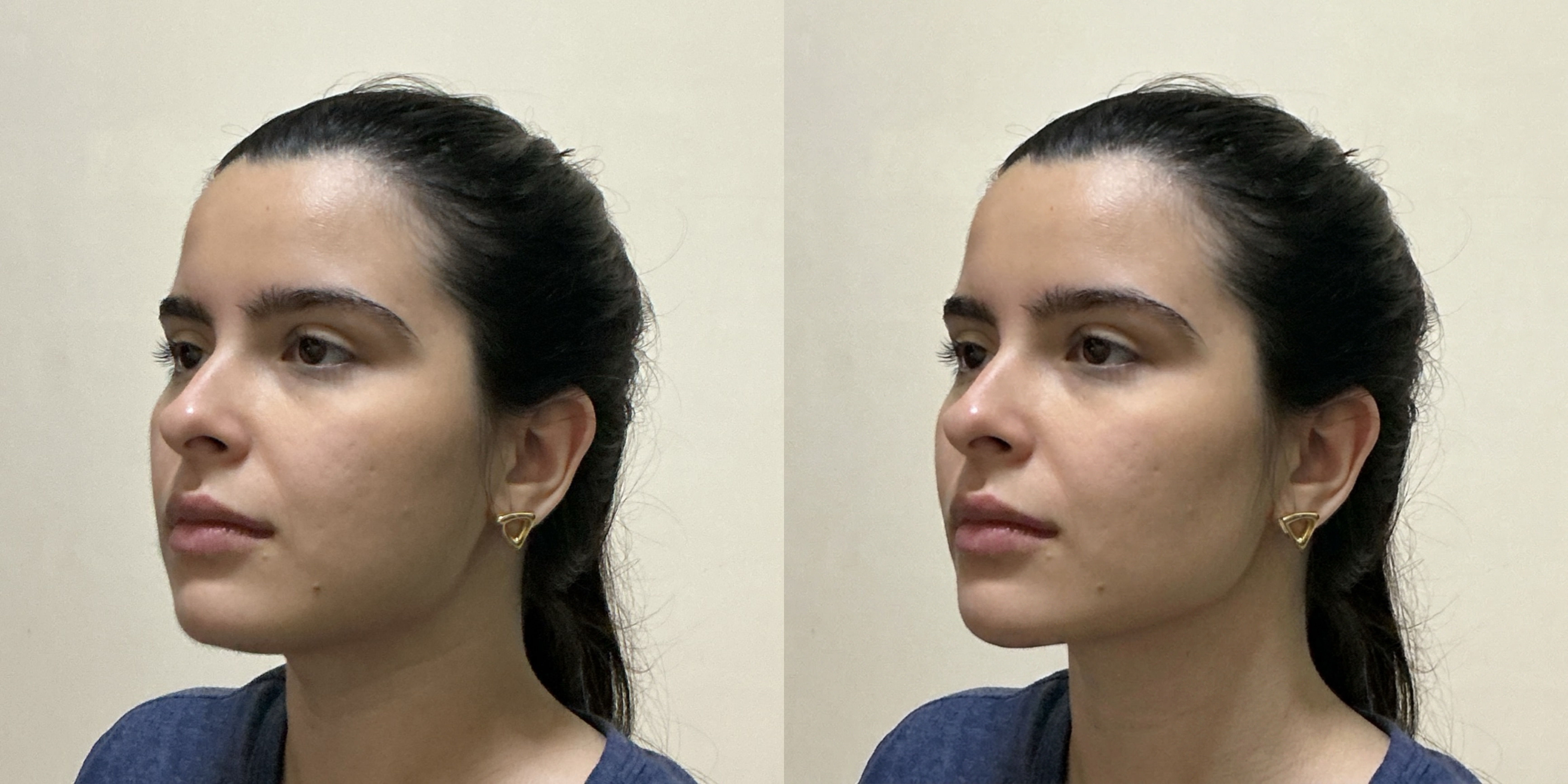
The Modern Facelift: How AI Simulation Reverses Aging and Accelerates Case Acceptance
As gravity, sun exposure, and natural aging take their toll, the structural integrity of the lower face and neck begins to decline. This results in sagging skin, the formation of jowls along the jawline, deep marionette lines, and significant neck laxity.
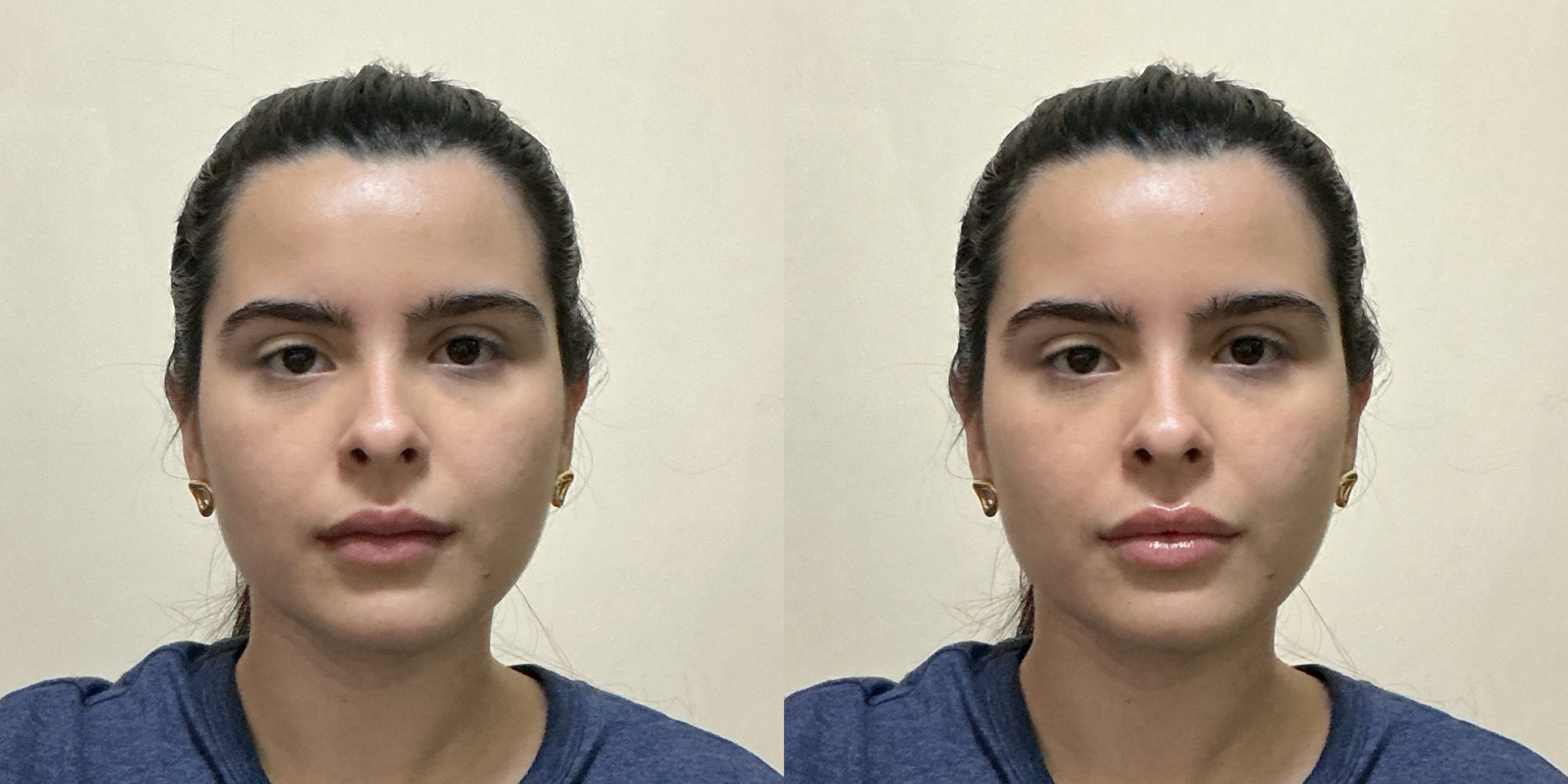
The Perfect Pout: Why the Surgical Lip Lift Requires a Digital Test Drive
As the face ages, the philtrum (the space between the base of the nose and the top of the upper lip) naturally lengthens, causing the upper lip to thin and roll inward, hiding the pink vermilion and the upper teeth.
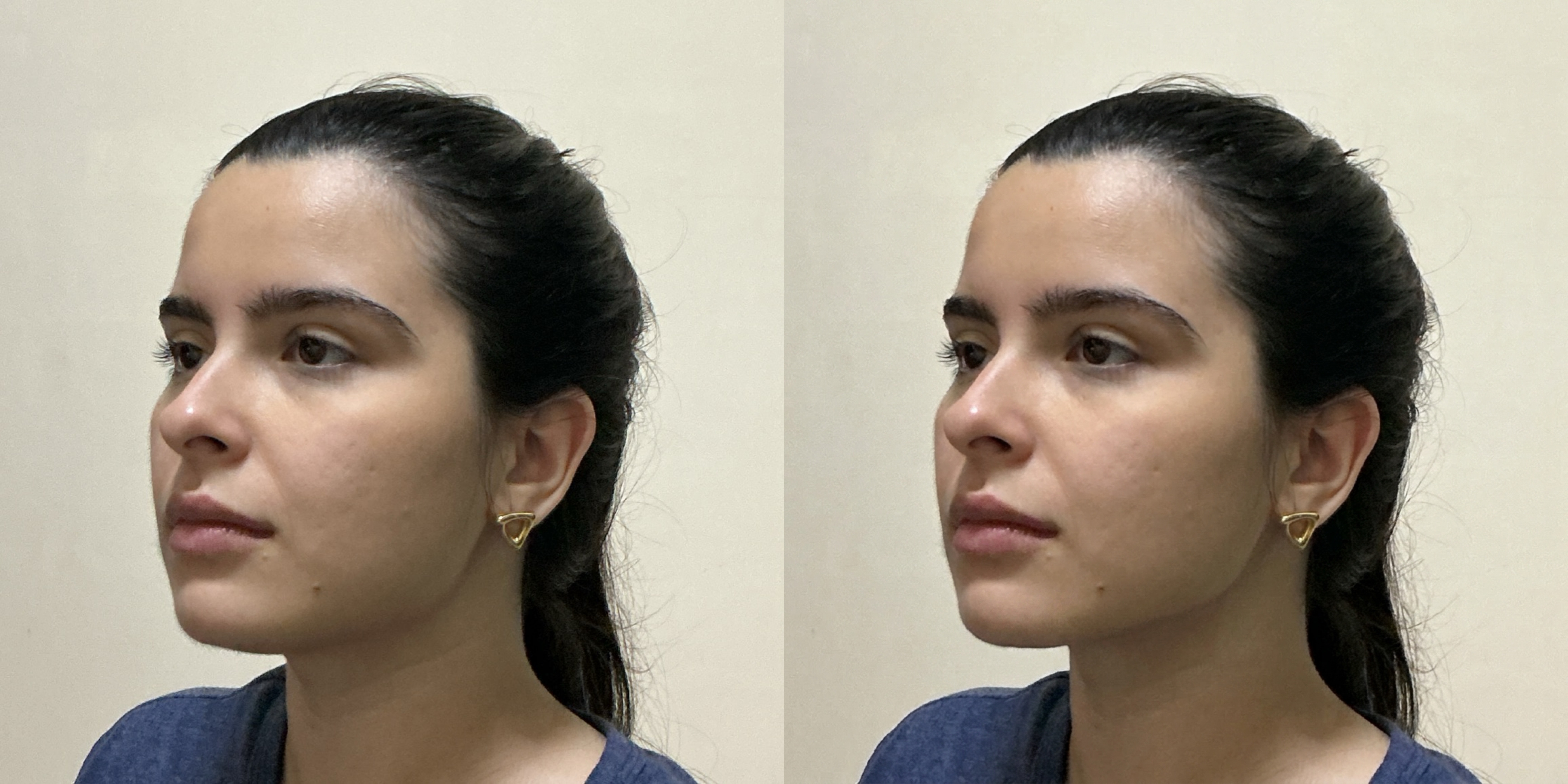
Redefining the Profile: The Crucial Role of AI in Neck Lift Consultations
A youthful, elegant face requires a sharp, defined transition between the jawline and the neck. Unfortunately, the submental (under-chin) area and the neck are highly susceptible to gravity and age.
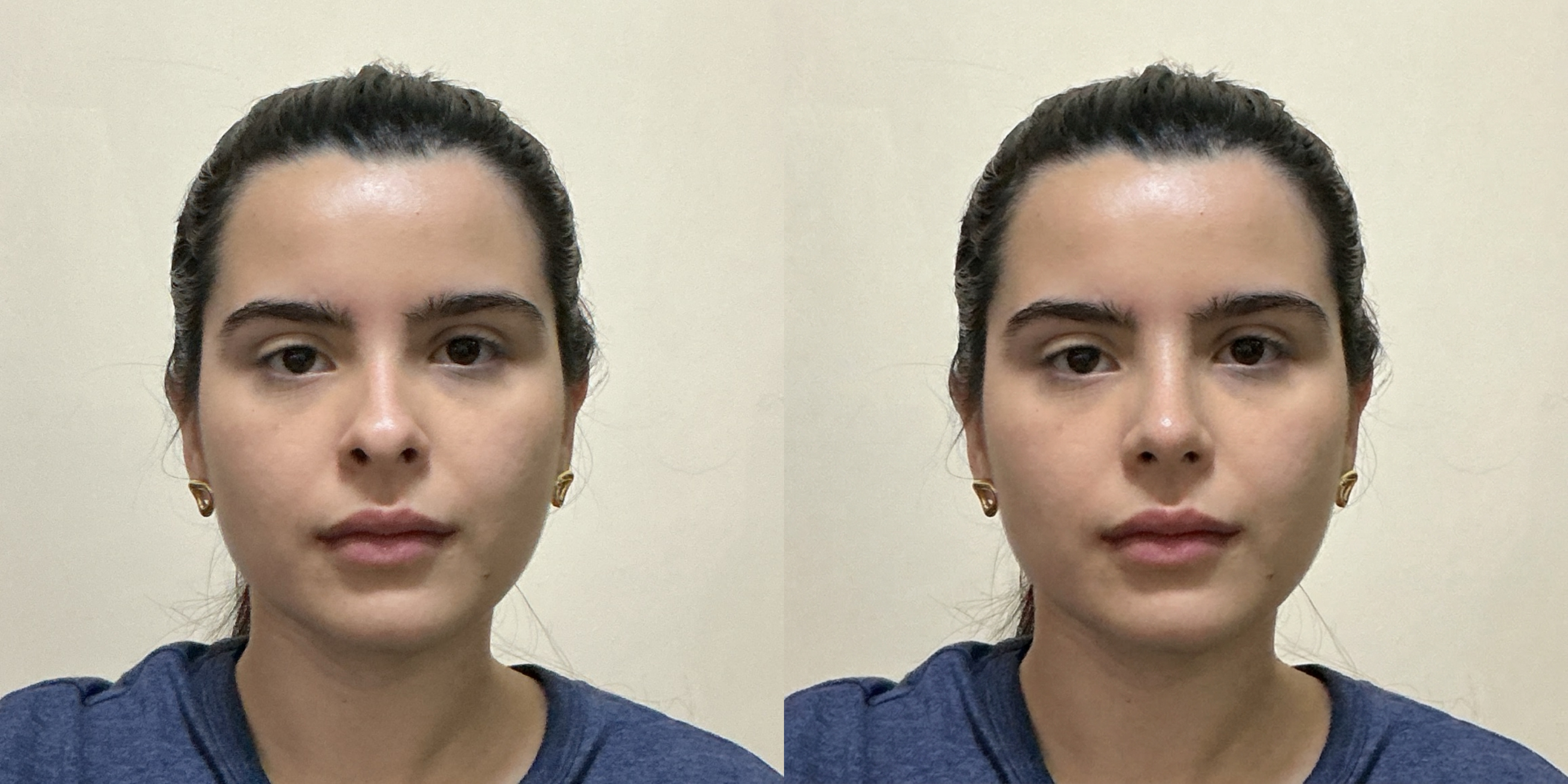
Redefining Facial Harmony: Why Rhinoplasty Patients Demand Visual Proof Before Surgery
Because it sits at the exact center of the face, the nose dictates the fundamental balance, symmetry, and overall aesthetic profile of a patient. Even minor structural irregularities can profoundly affect facial harmony and self-confidence.