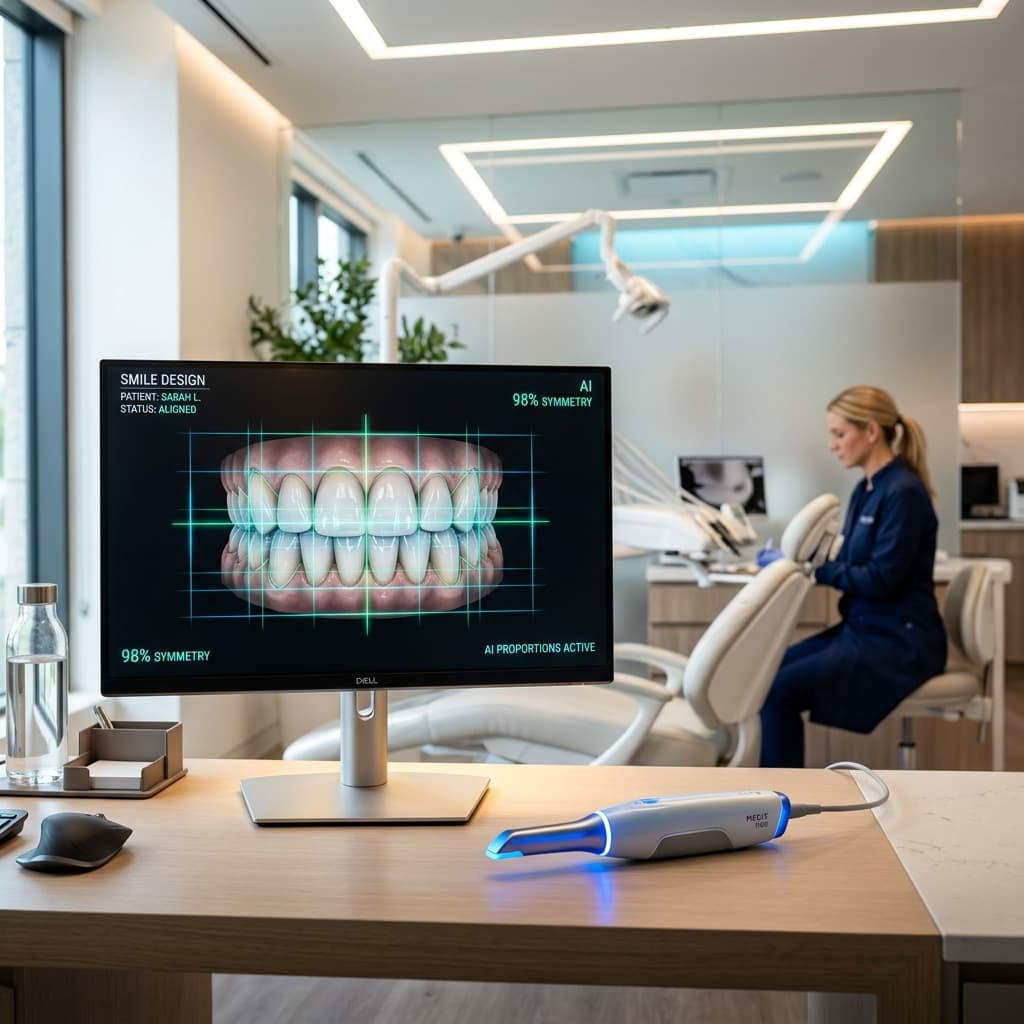
What Are "Skinny" Veneers?
Traditional porcelain veneers typically require a dentist to shave down a moderate amount of the natural tooth's enamel to make room for the ceramic shell. Minimal-prep veneers—often referred to as ultra-thin or "skinny" veneers—turn this concept on its head.
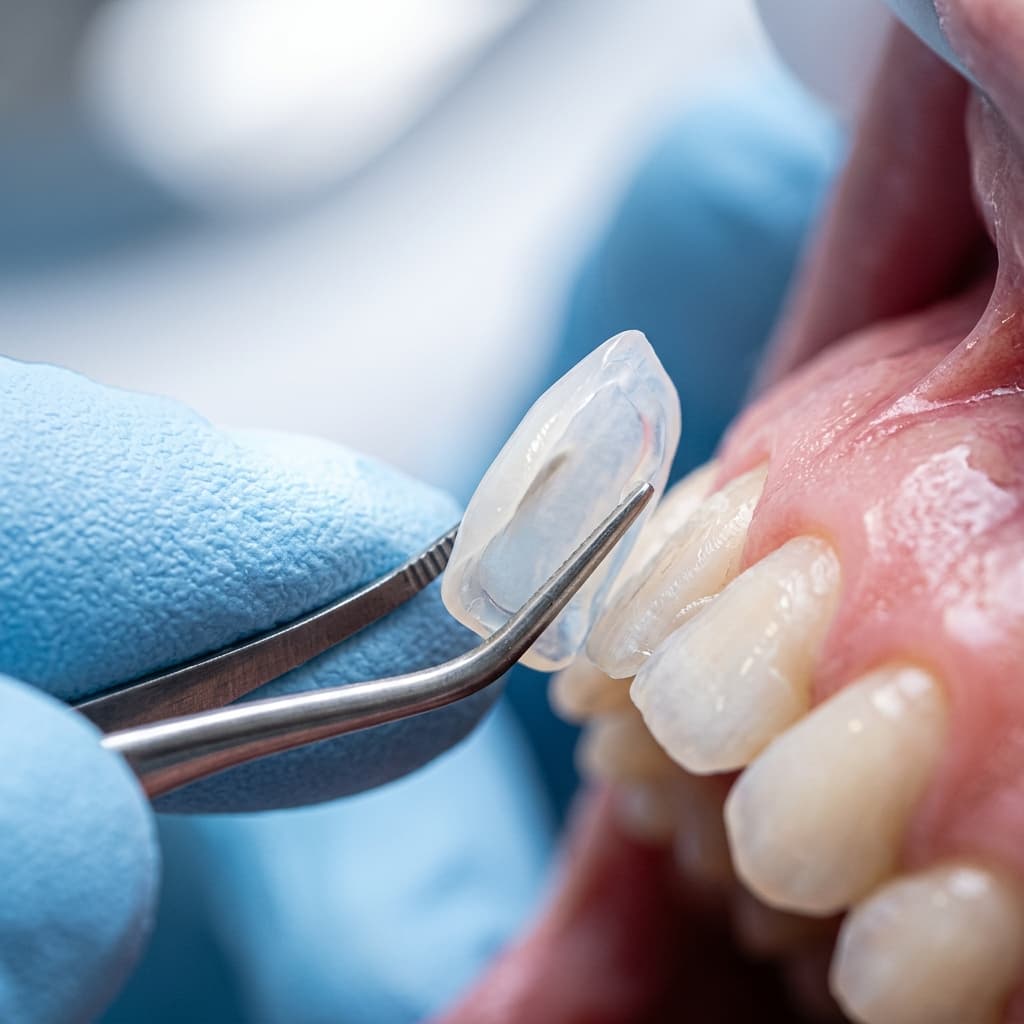
These highly advanced veneers are crafted from specialized, exceptionally strong ceramic (such as lithium disilicate) that can be pressed to be as thin as a contact lens—often measuring just 0.2 to 0.3 millimeters in thickness. Because they are so thin, they require little to absolutely no removal of your natural enamel. They are carefully bonded directly over your existing teeth.
The Benefits of the Minimal-Prep Approach
The move toward skinny veneers is driven by a desire for both aesthetic perfection and biological preservation.
- Enamel Preservation: By leaving your natural tooth structure intact, you maintain the structural integrity of your teeth. The procedure is overwhelmingly conservative and, in many cases, completely reversible.
- Painless Application: Because there is minimal to no drilling or shaving of the sensitive layers of the tooth, the procedure is virtually painless, often requiring no anesthesia at all.
- Unmatched Translucency: Natural teeth are not flat white; they have depth, texture, and translucent edges where light shines through. Skinny veneers allow the natural color of your underlying tooth to gently influence the final shade, resulting in a hyper-realistic, beautifully natural glow that thicker veneers simply cannot replicate.
Why Brazilian Artisans Lead the Minimal-Prep Movement
Creating an ultra-thin veneer requires an extraordinary level of skill. It is not just dentistry; it is micro-artistry. The ceramic must be layered and baked perfectly to ensure it is strong enough to withstand biting forces while remaining impossibly thin.
Brazil has long been a global powerhouse in cosmetic procedures, and its aesthetic dentists are pioneers in this specific micro-layering technique. Brazilian culture places a premium on beauty that looks effortless and natural. Therefore, Brazilian dental laboratories and ceramists specialize in creating restorations that mimic the complex light dynamics of natural enamel. When you travel to Brazil for your smile makeover, you are gaining access to artisans who craft thousands of these ultra-delicate restorations every year, using the exact same premium materials found in the most expensive Beverly Hills or Manhattan clinics, but at a fraction of the cost.
Is the "Skinny" Veneer Right for You?
While skinny veneers are a modern marvel, they are not a universal fix. Because they are incredibly thin and translucent, they cannot easily mask severely stained or completely discolored underlying teeth. Furthermore, if your teeth are heavily crowded, a thicker veneer or pre-treatment with clear aligners might be required to achieve a straight appearance.
The only way to know if you are a candidate for minimal-prep veneers is through a comprehensive aesthetic evaluation.
Obtenez Votre Simulation Numérique de Sourire Gratuite MAINTENANT

Remplissez le formulaire ci-dessous pour recevoir une simulation numérique gratuite de votre sourire. L'un de nos spécialistes vous contactera pour vous montrer le résultat final simulé.
Lors de la consultation, nous discuterons du prix total, expliquerons ce qui peut être fait et vous conseillerons sur ce qui devrait être fait d'un point de vue clinique.